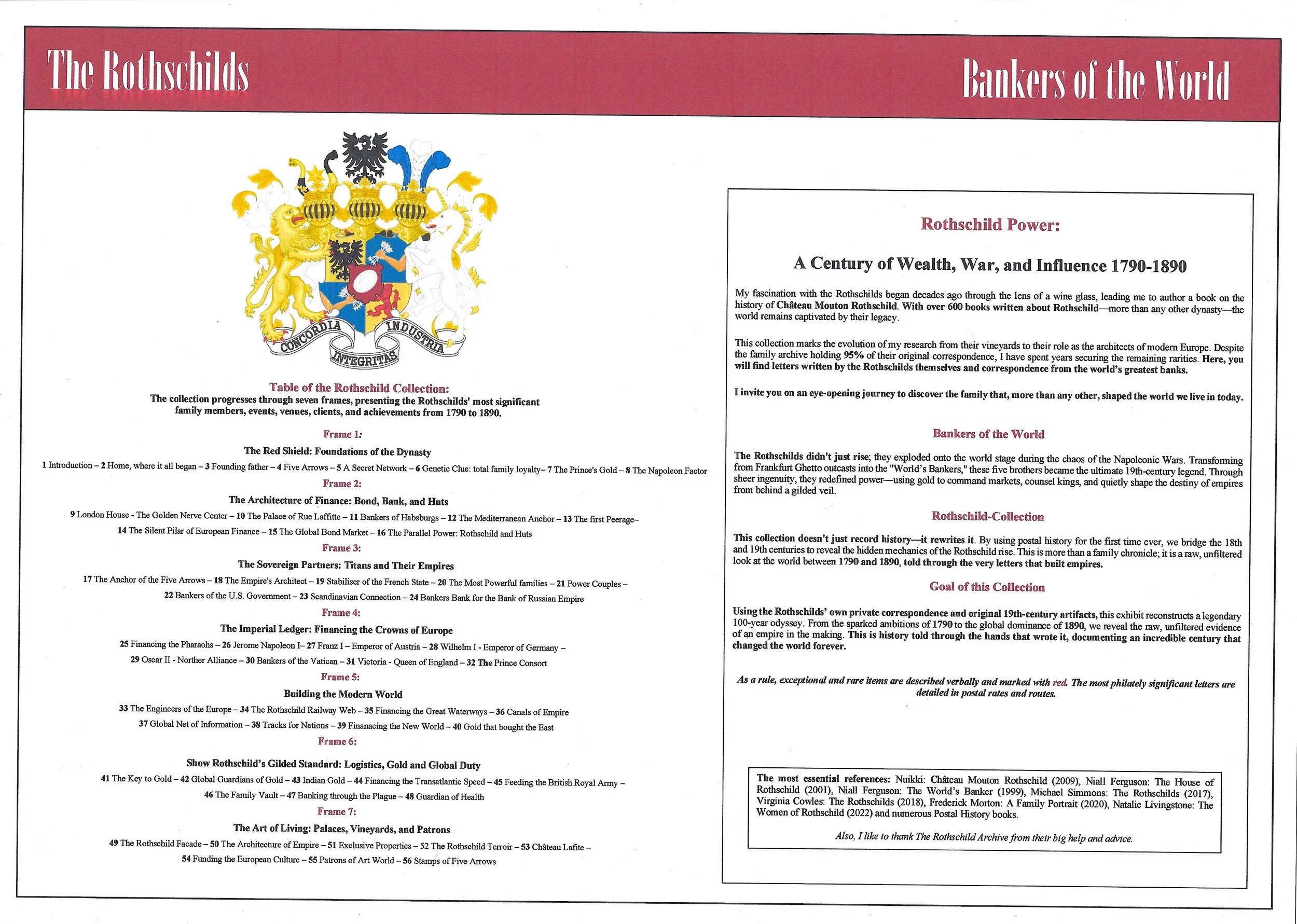
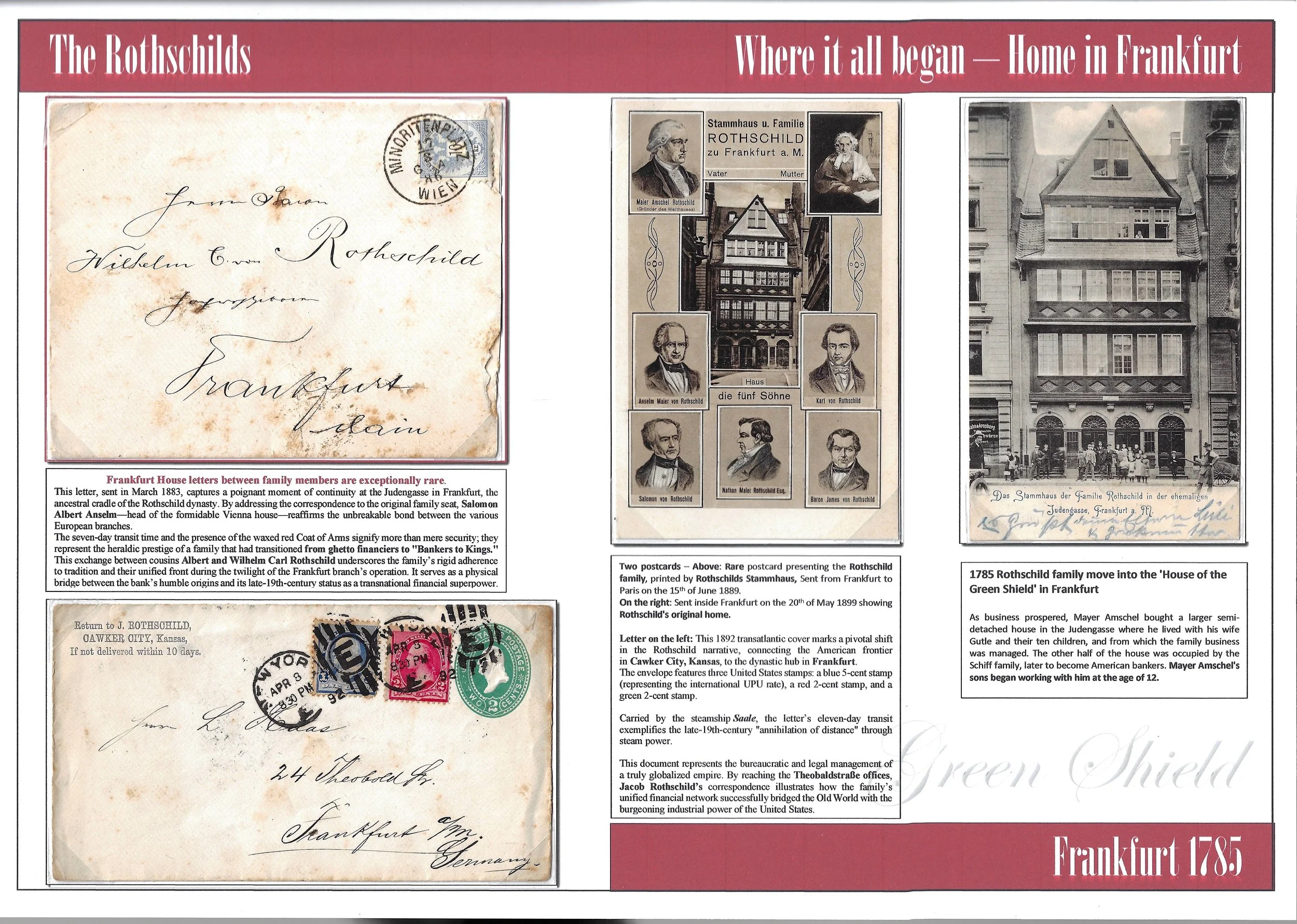
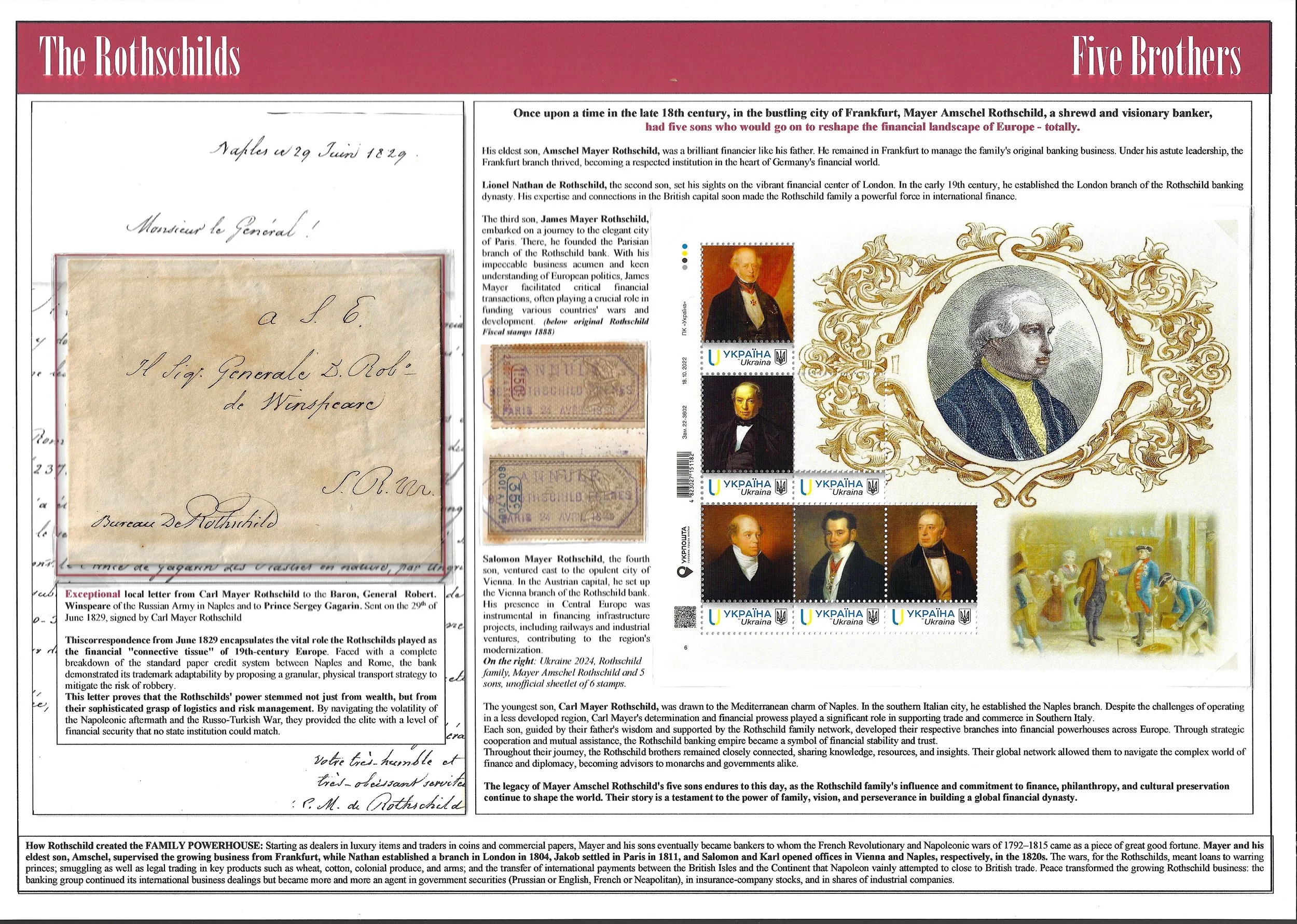
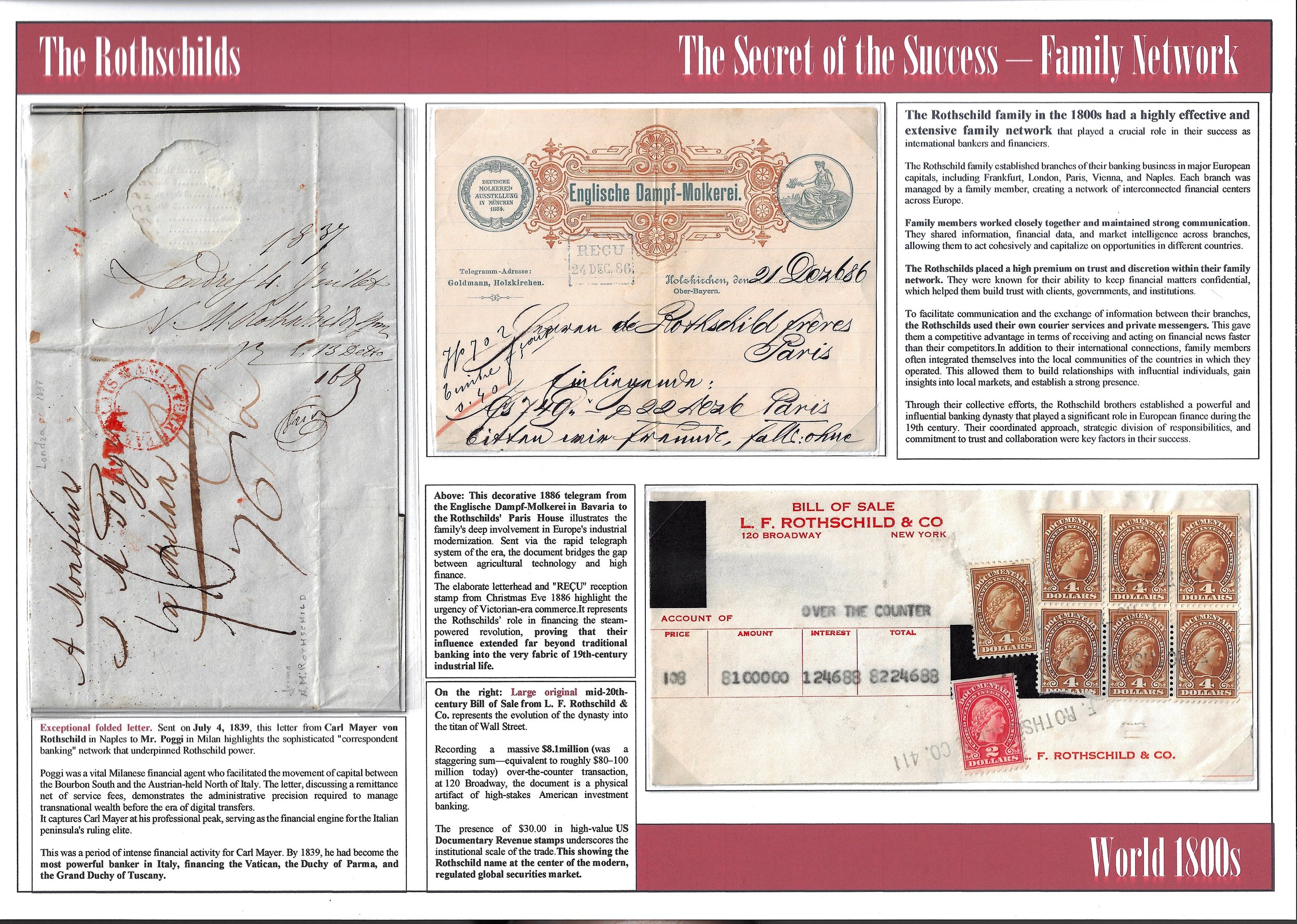
THE ROTHSCHILDS - The Bankers of the World 1790-1890
"Completed in April 2026, this latest edition of the Rothschild collection is a near-total reimagining of my previous work. It features a completely new textual narrative, new rare materials and a restructured arrangement of material. Having achieved 88 points at Nordia, I am confident that this matured treatment now firmly secures its place in the 90-point category.
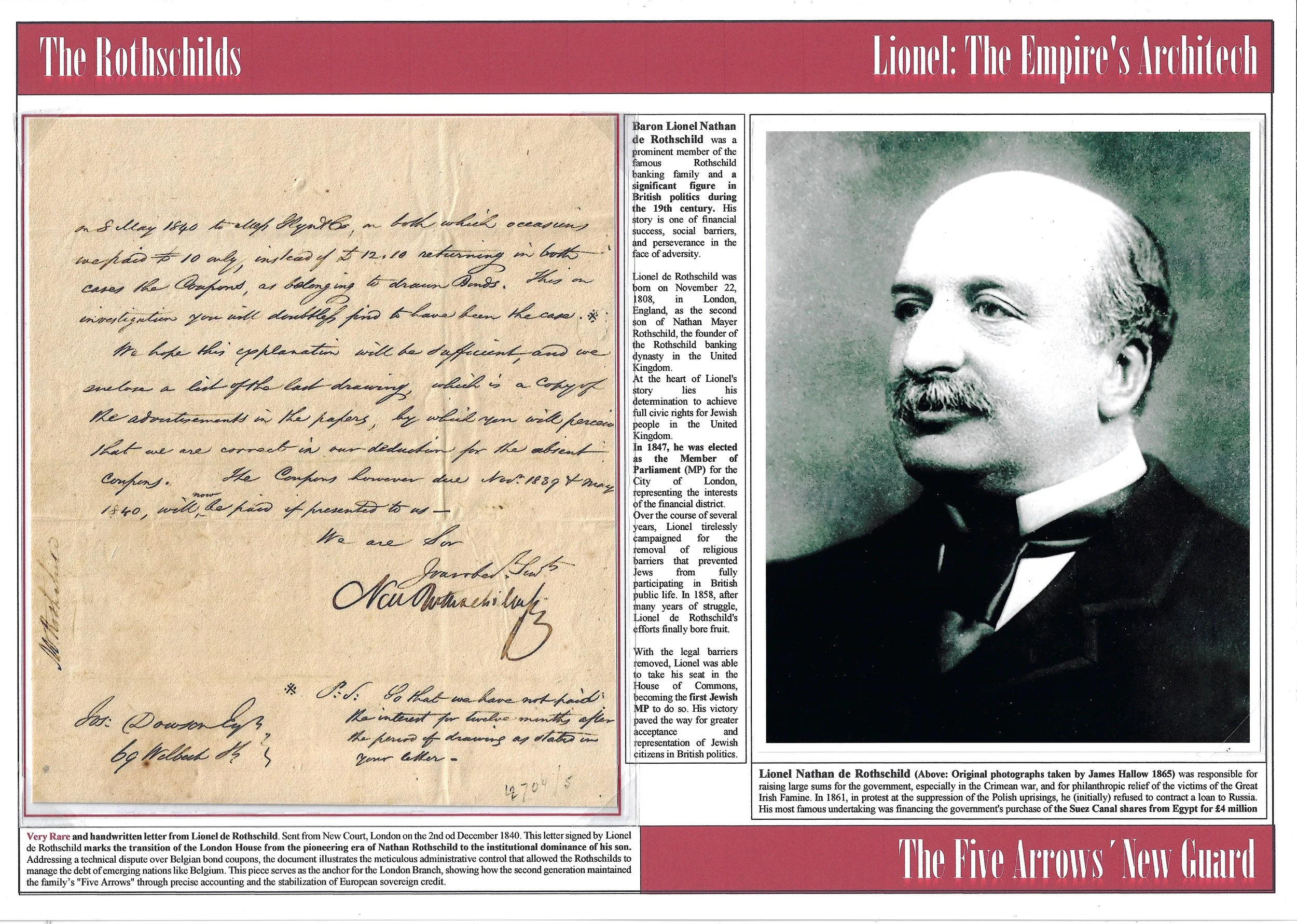
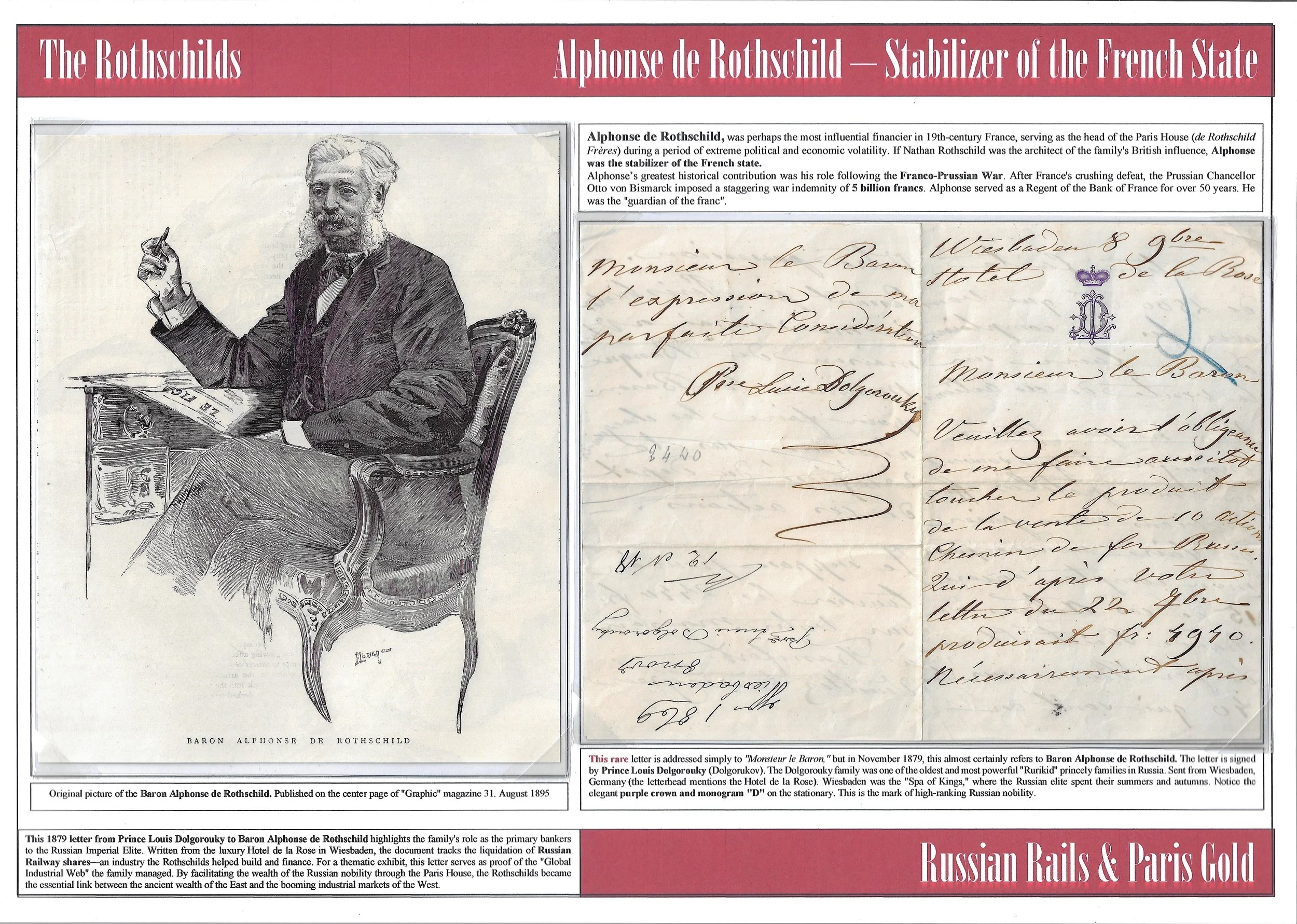
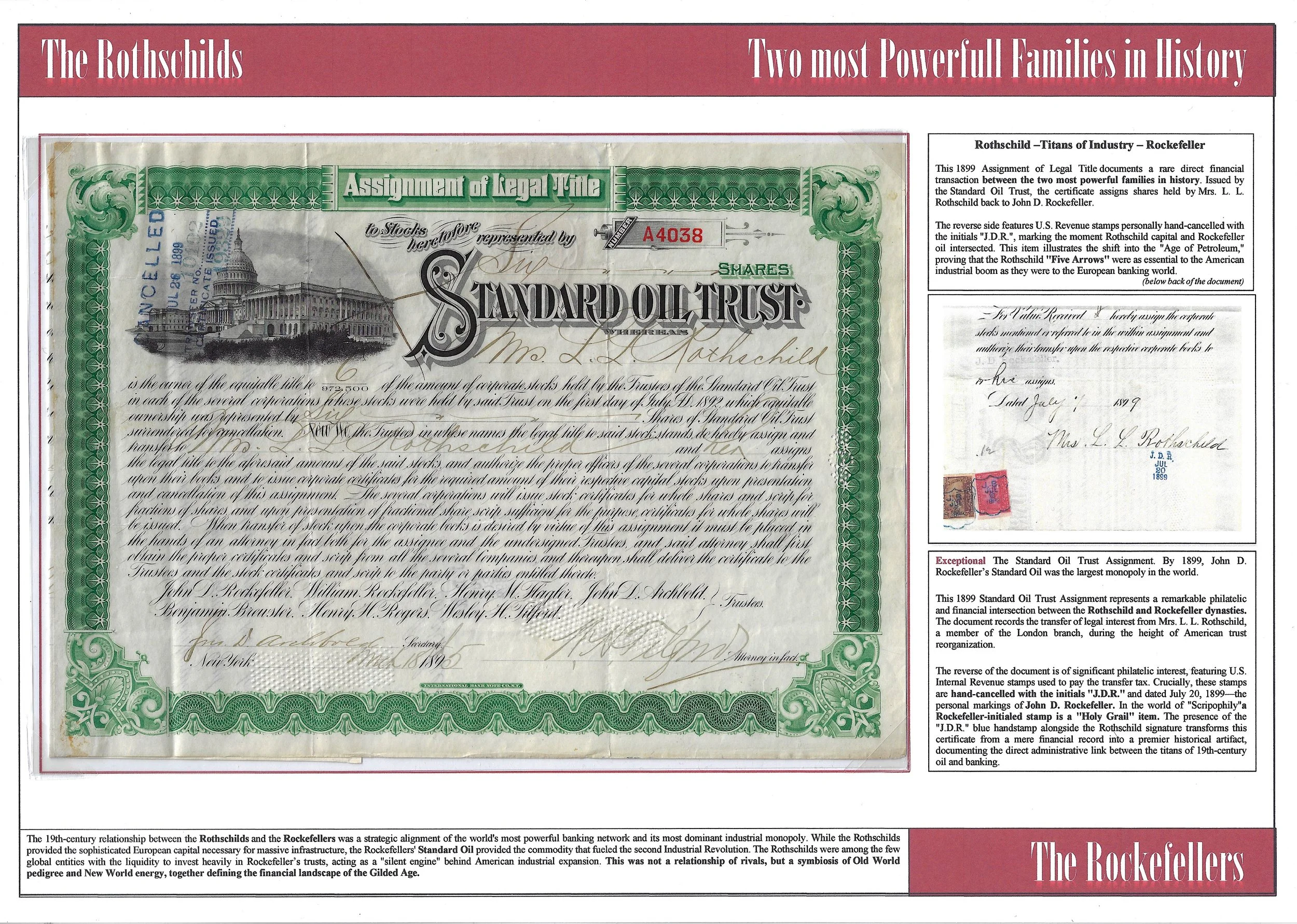
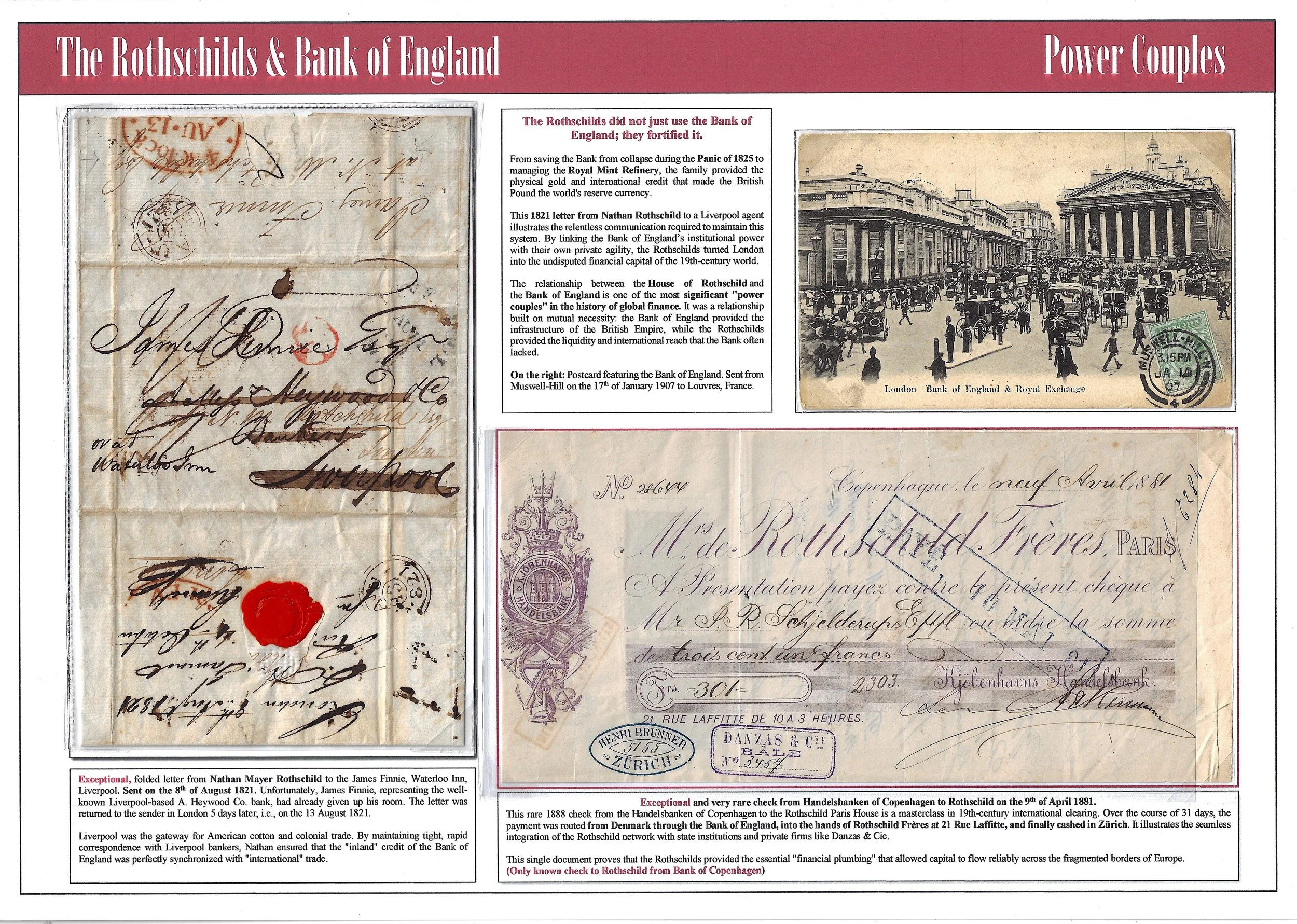
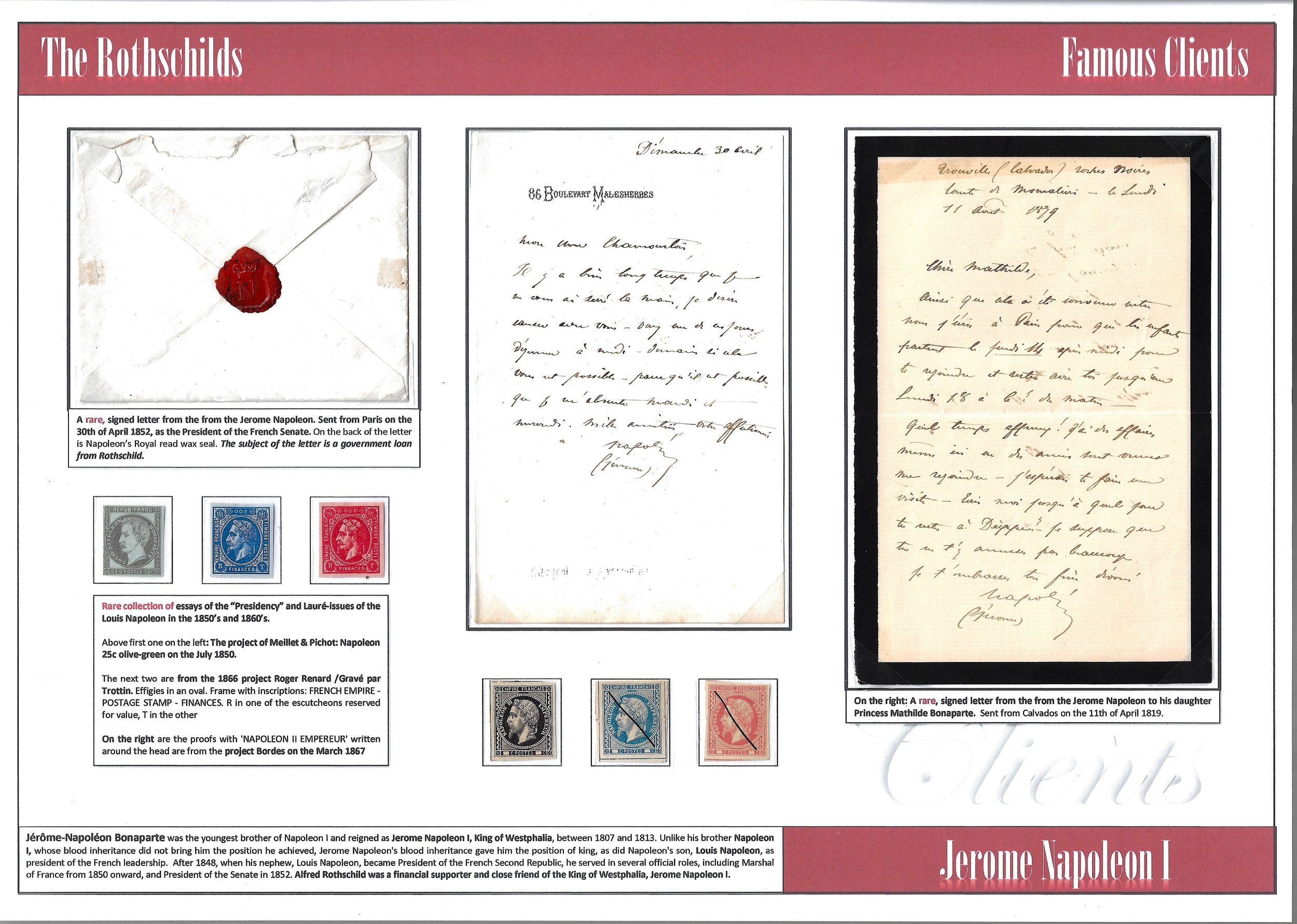
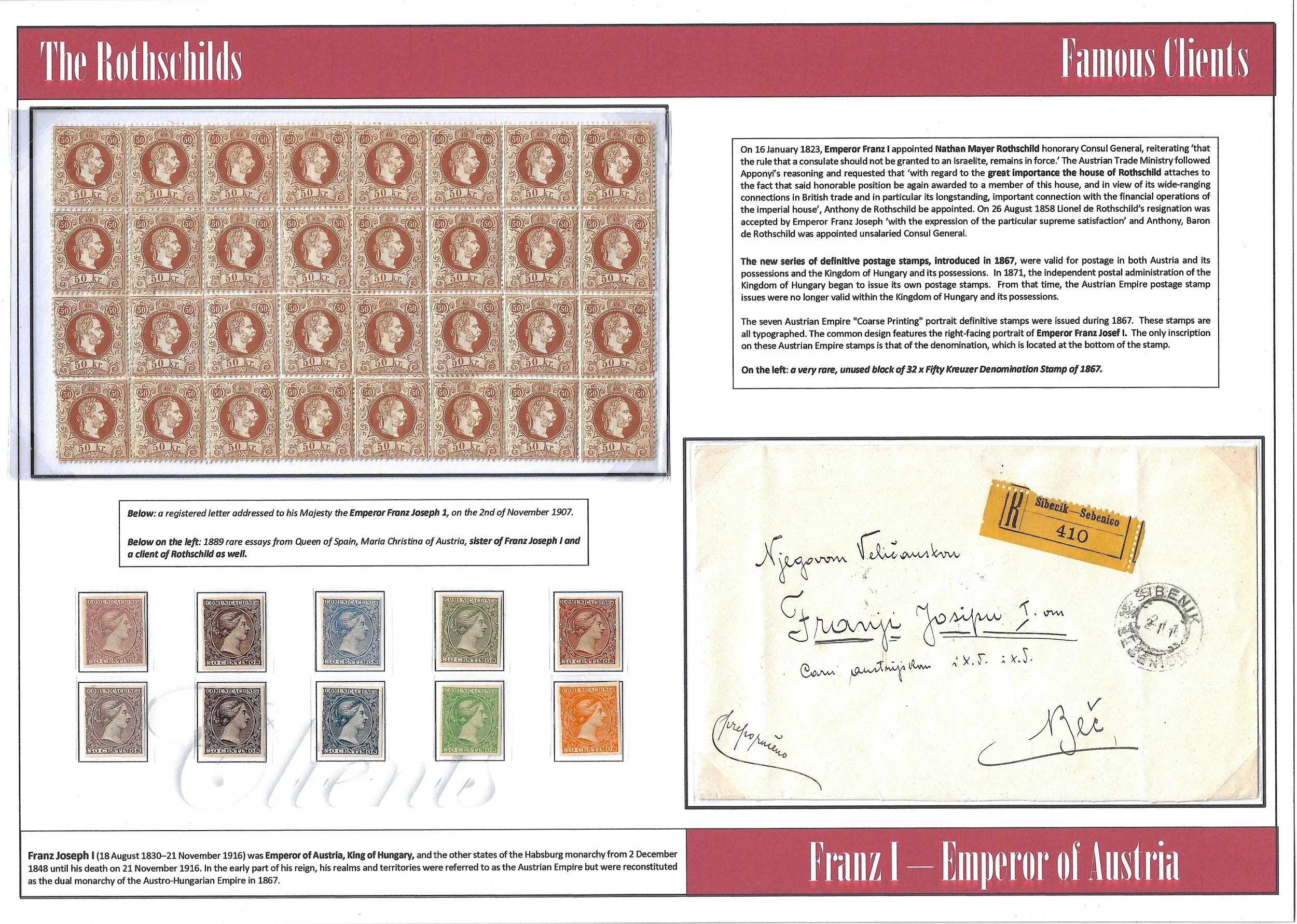
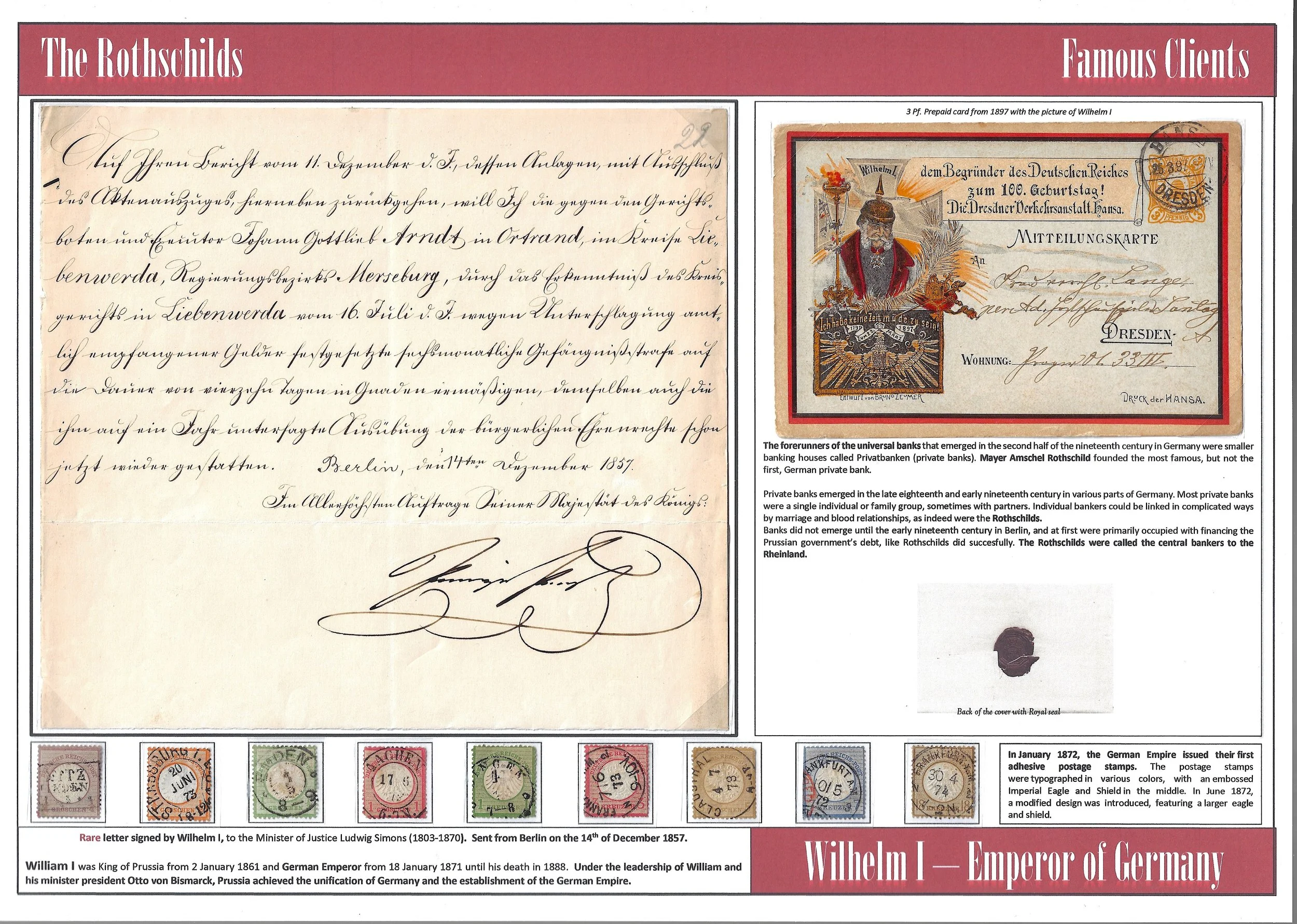
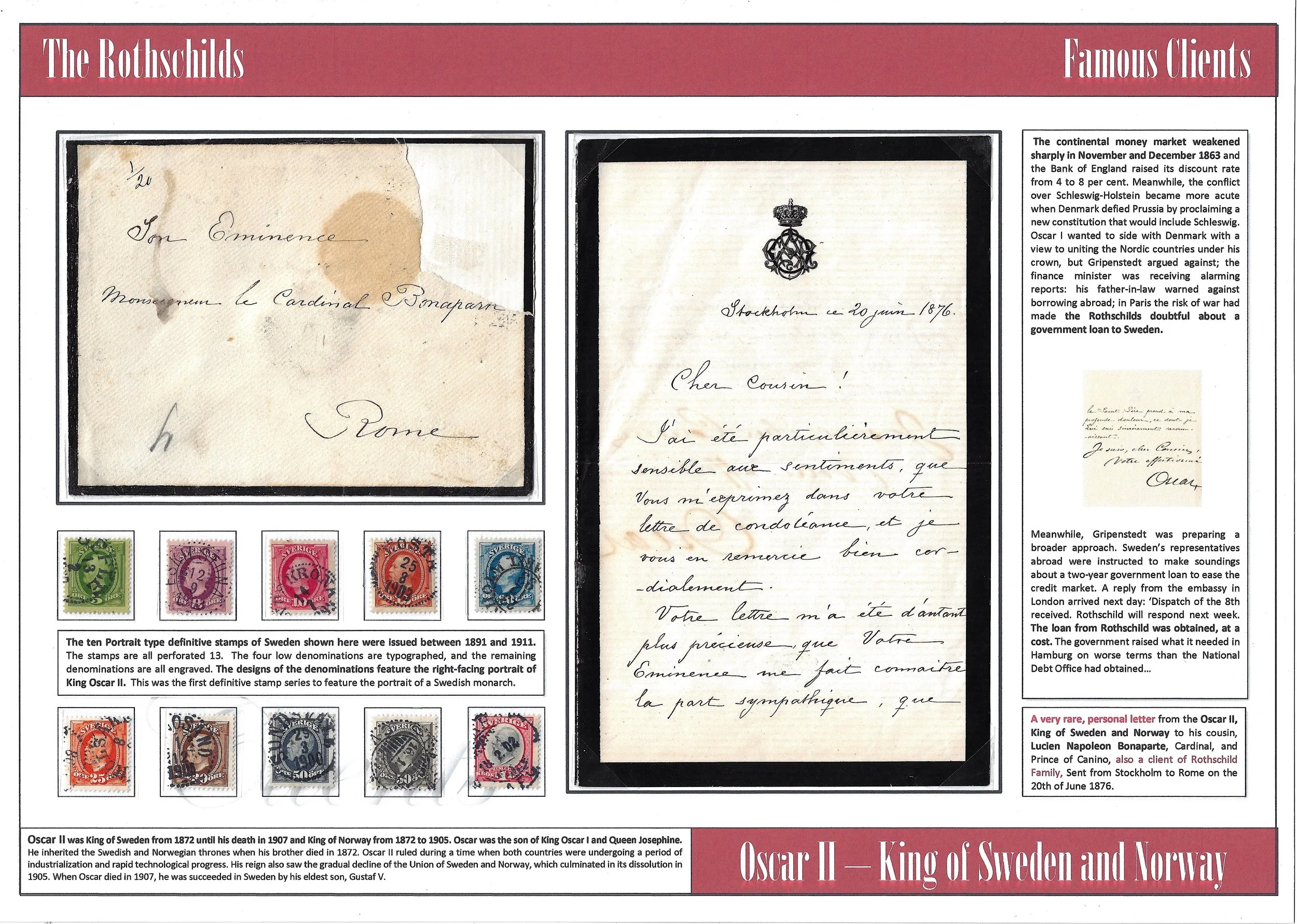
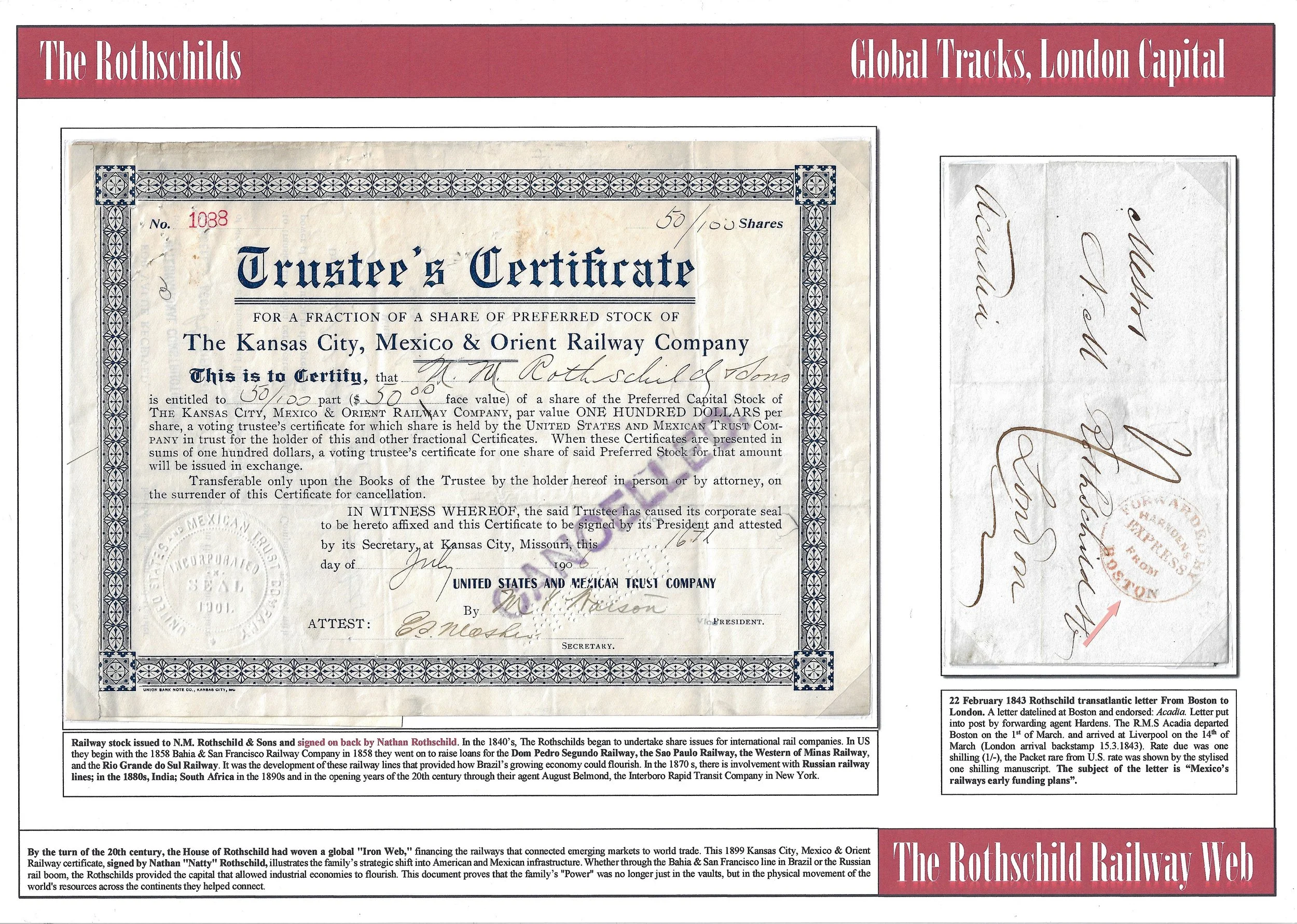
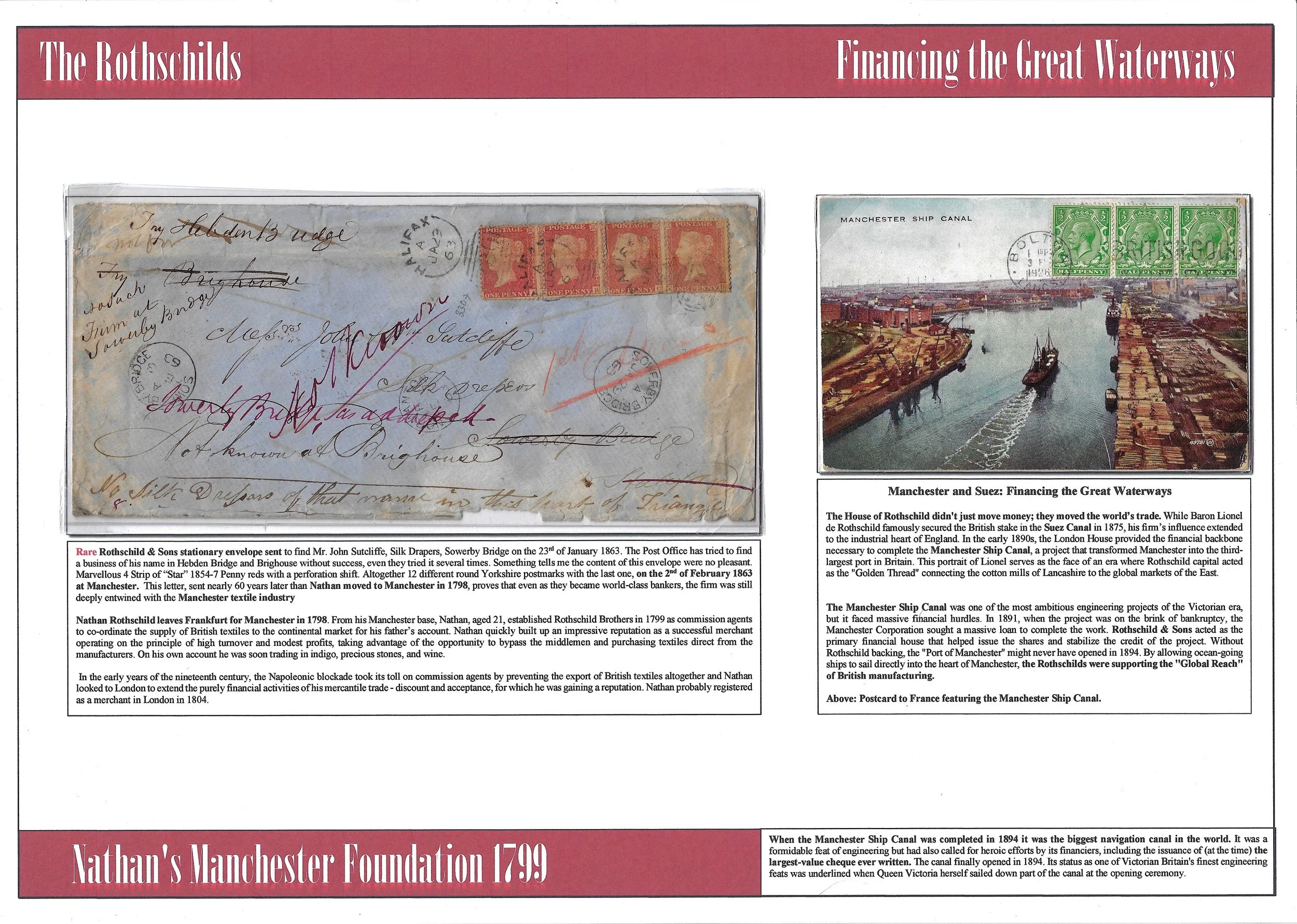
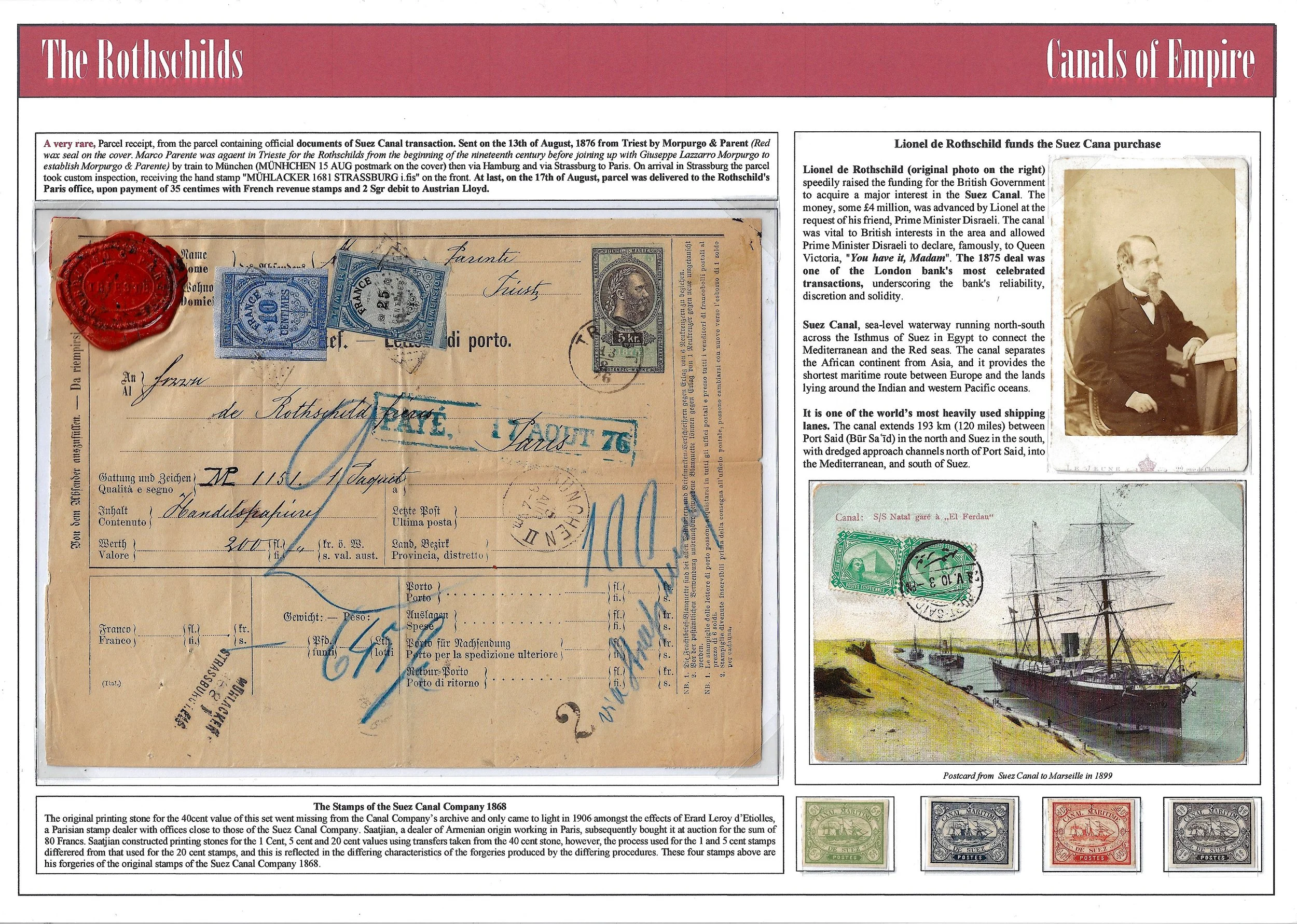
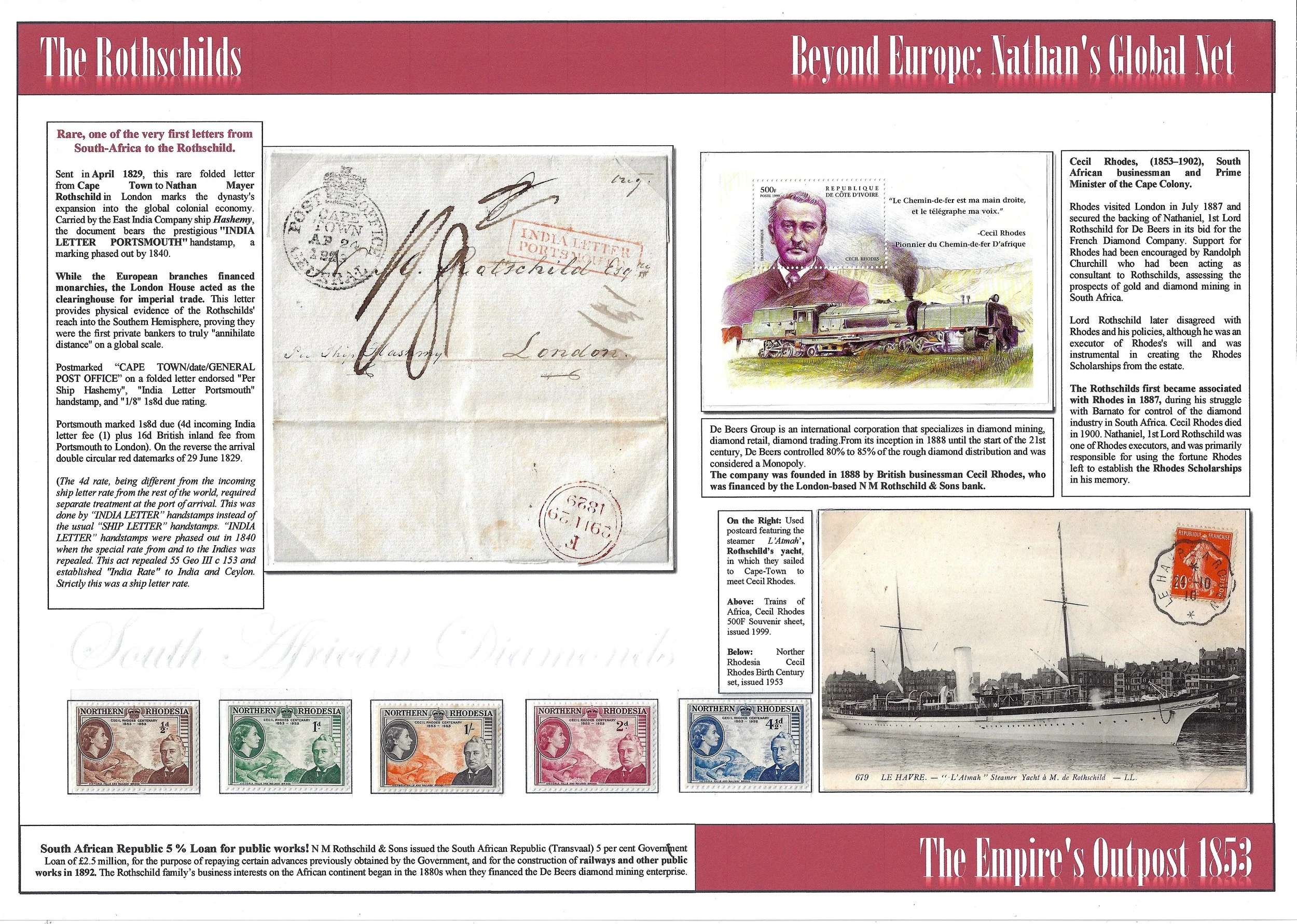
The Rothschild influence remains one of the most significant themes from the 19th century to the present day. They did not merely witness history; they shaped it across all continents, outlasting nations and empires. The fact that more books have been written about the Rothschilds than any other lineage—including my own German and English volumes—underscores the magnitude of the subject.
Central to this new version is the inclusion of unique postal history items that are absent from any other private or public collection. Sourcing these pieces has been the most labor-intensive and creative pursuit of my philatelic career, making this my most definitive work to date."
1.11.2021 - Start from zero
23.8.2022 - The 5-frames collection is now ready for exhibitions
9.9. 2022 On first appearance,It received Large Silver Medal
7.8. 2023 Collection has been 100% remade for Open Philately-class 2024 exhibitions.
14.4.24 On the second appearance, first open philately-version of this collection received Large Vermeil + special award
2.6.2024 On the third appearance, improved version received Gold Medal(88 points)+special award. ( Nordia2024)
26.10.2024 The fourth version with six frames received Gold Medal - Stamp Forum -exhibition 2024 and Large Vermeil from Uruguay2025
13.4.2025 The fourth version of this collection received again Gold Medal (TamCollect2025)
15.8.2025 The fitfth with 7- frames version of this collection received 86 points + special award (Nordia 2025)
26.4. 2026. The Sixt version is completely redesigned - every page has been redone with new material and content. (Nordia 2026 FEPA 88 points)
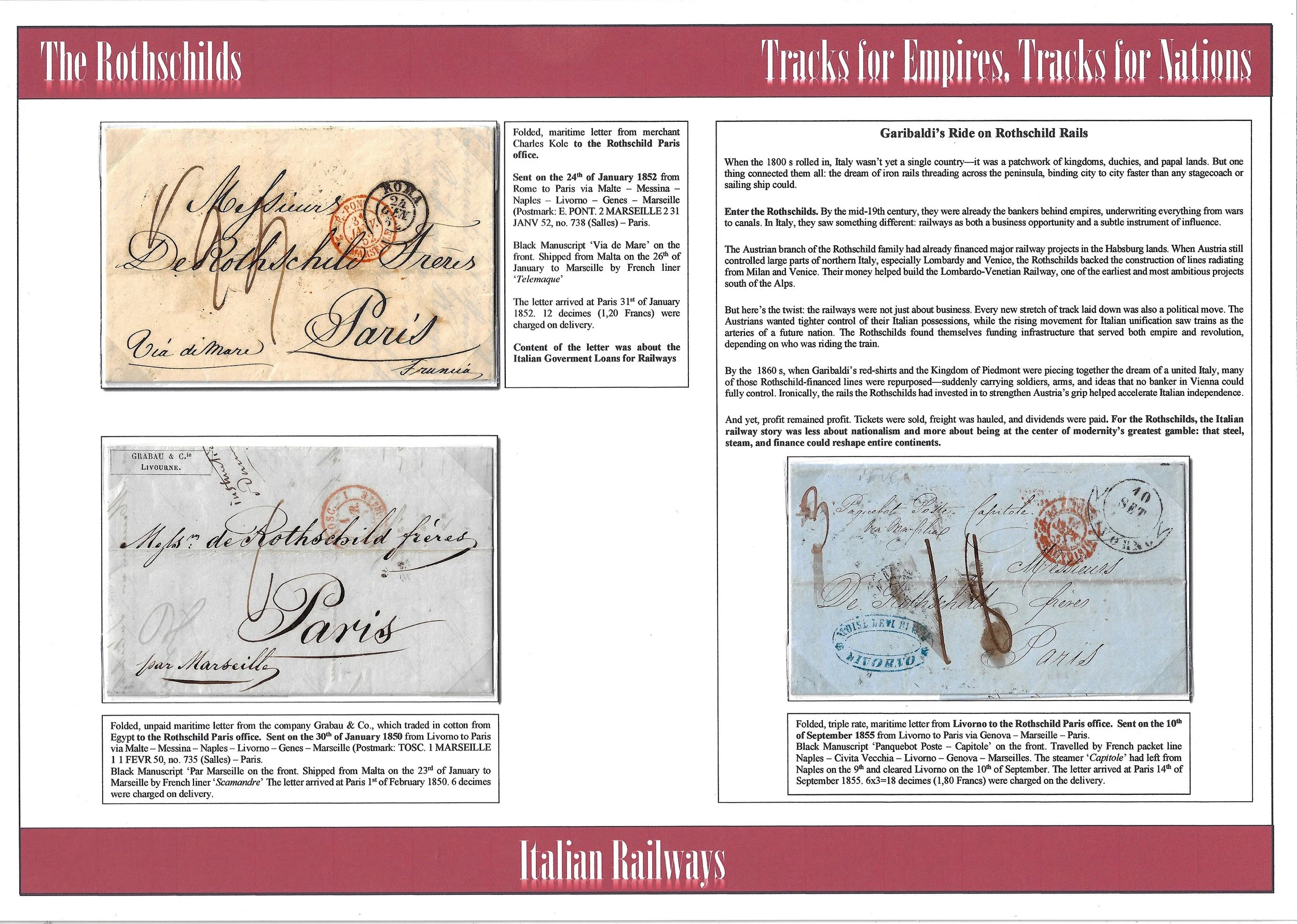
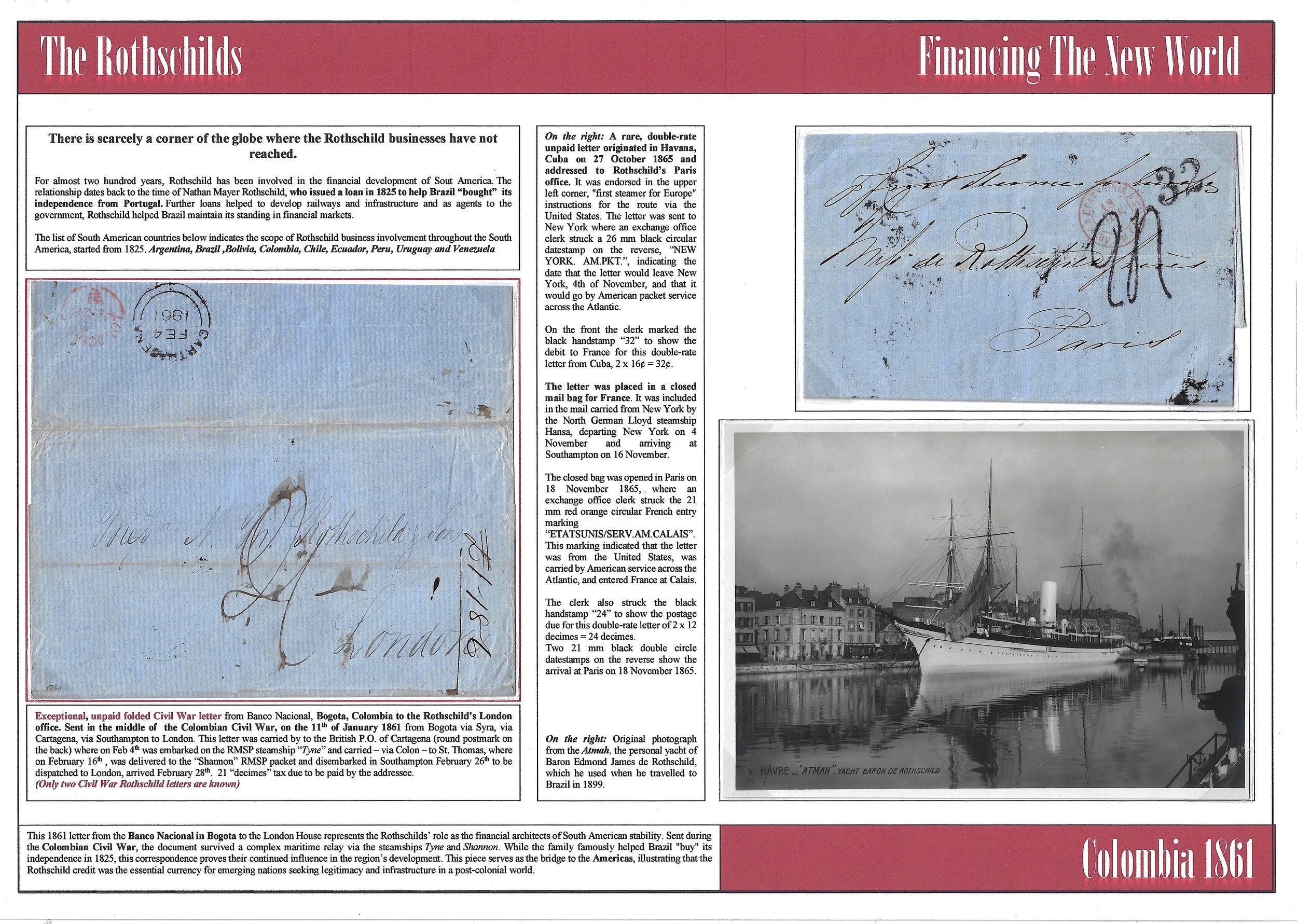
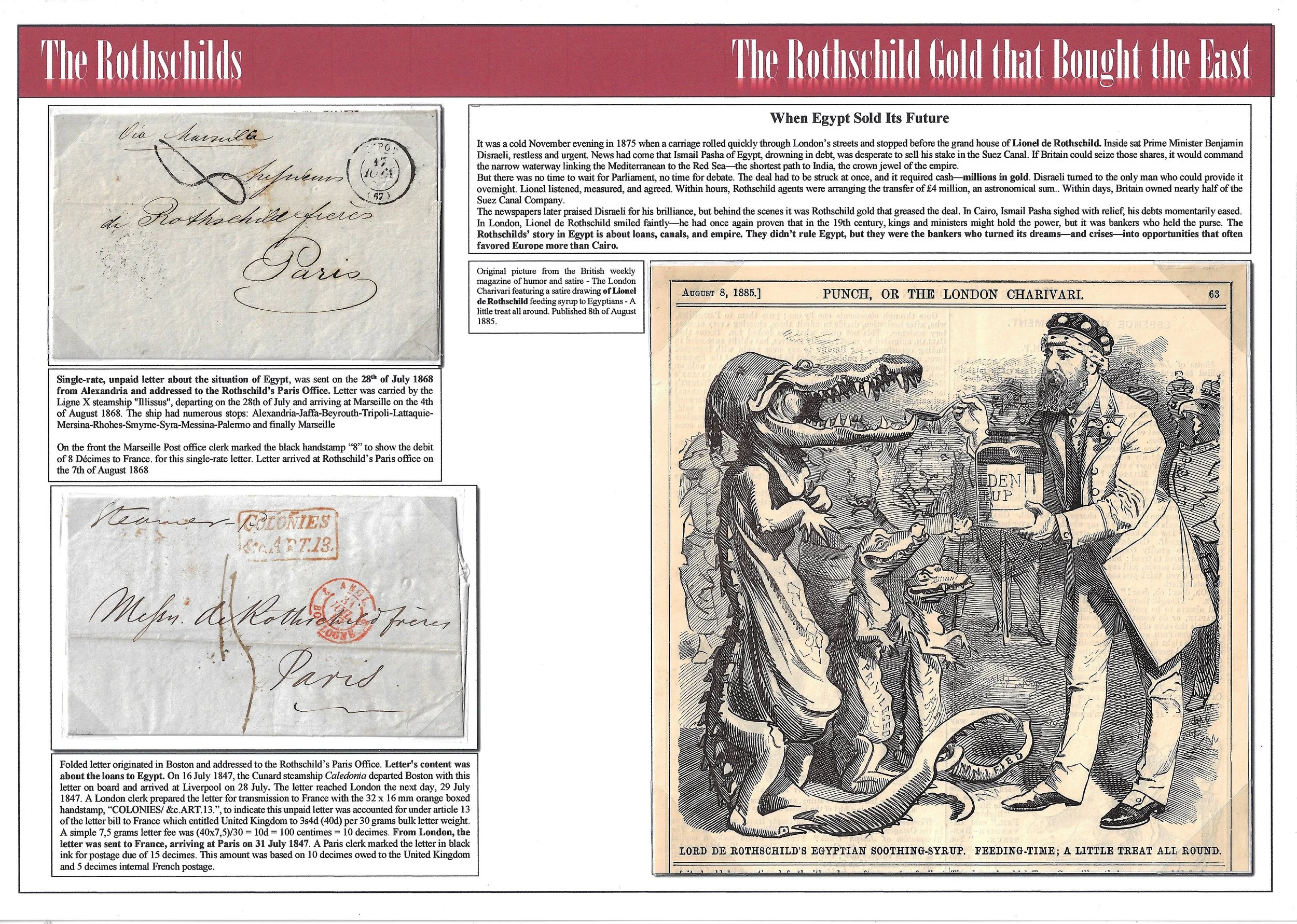
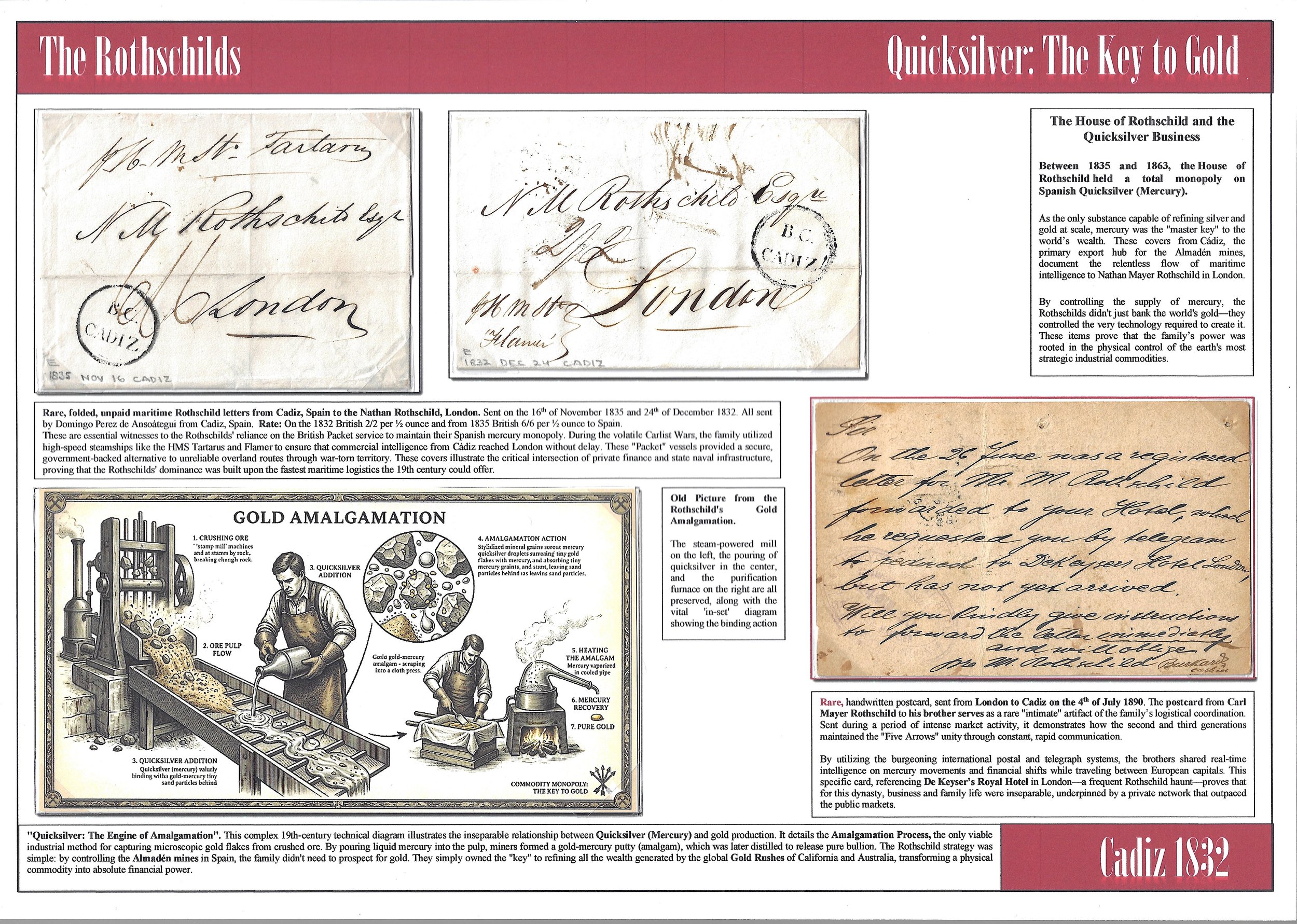
The Rothschild family, one of the most prominent and influential banking dynasties in Europe, played a significant role in European finance and politics during the 19th century. Their rise to power and influence can be attributed to several key factors:
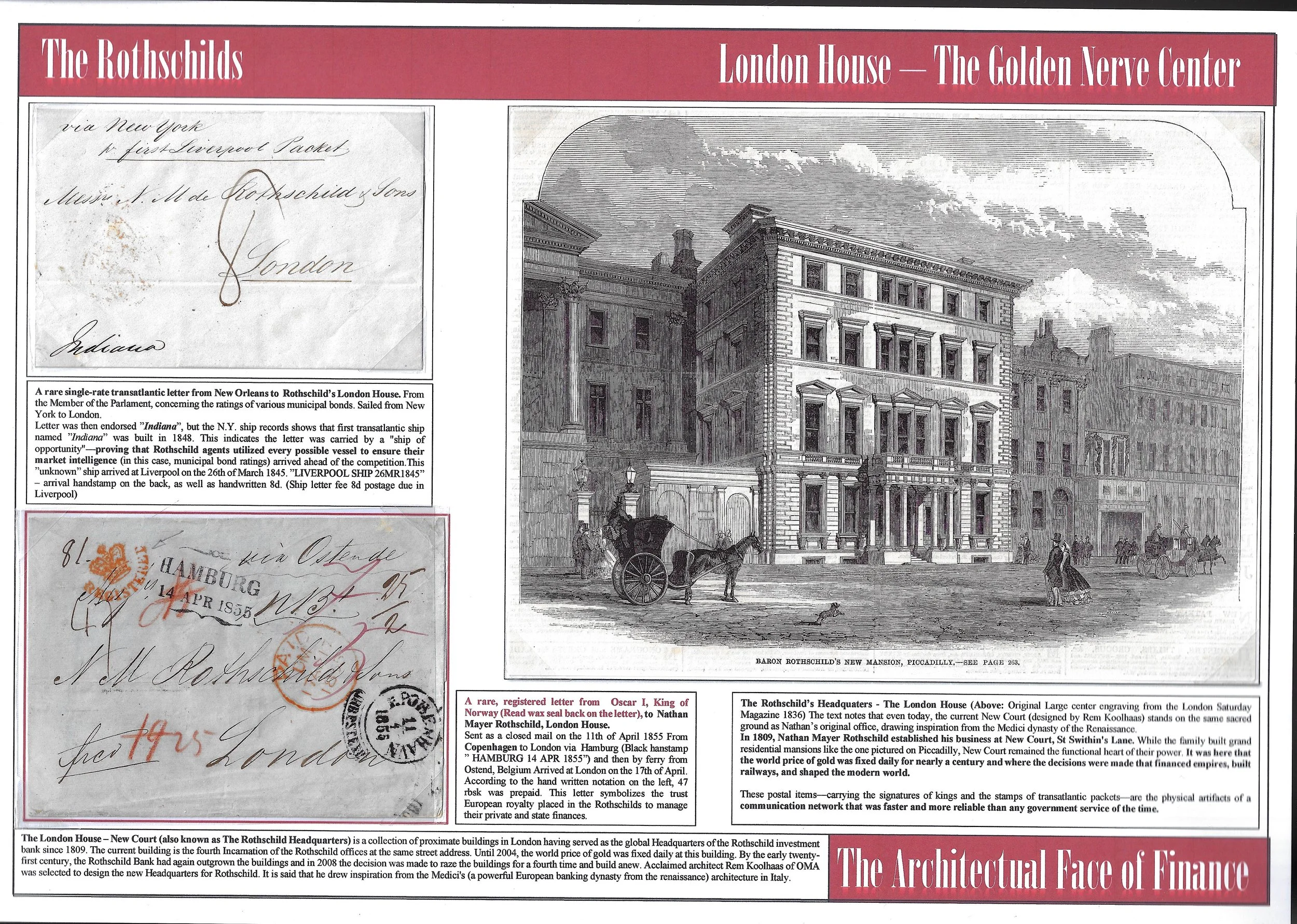
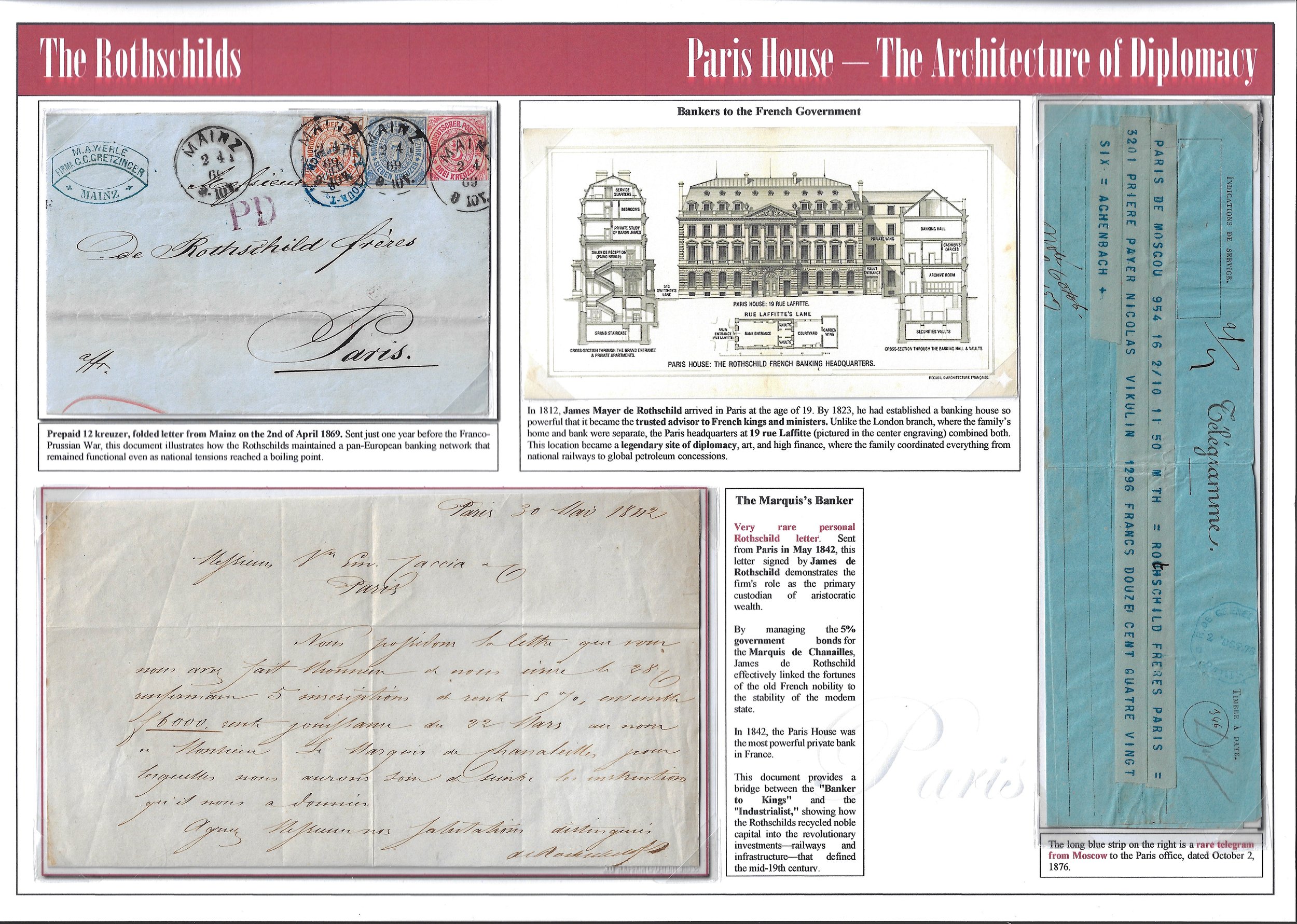
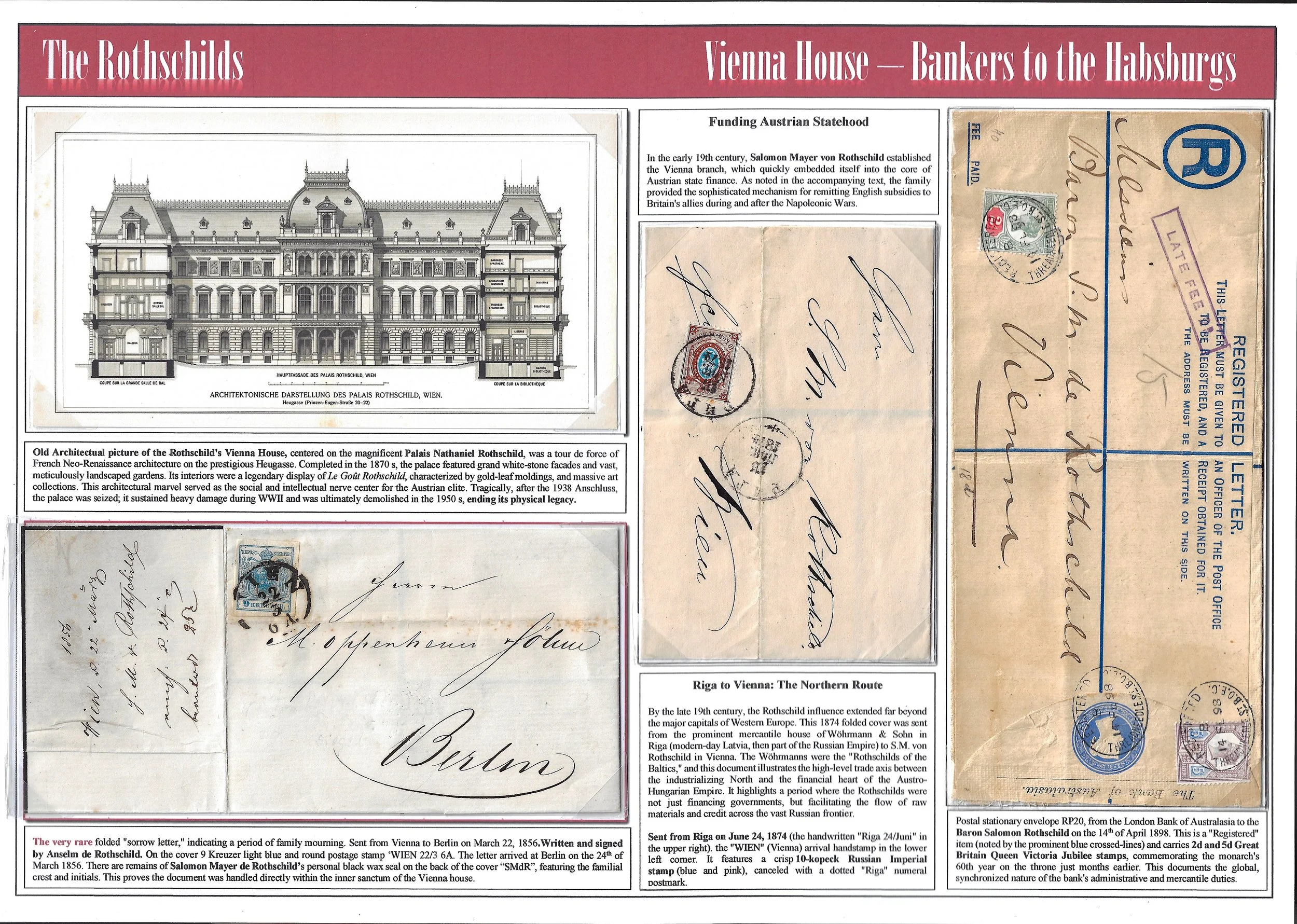
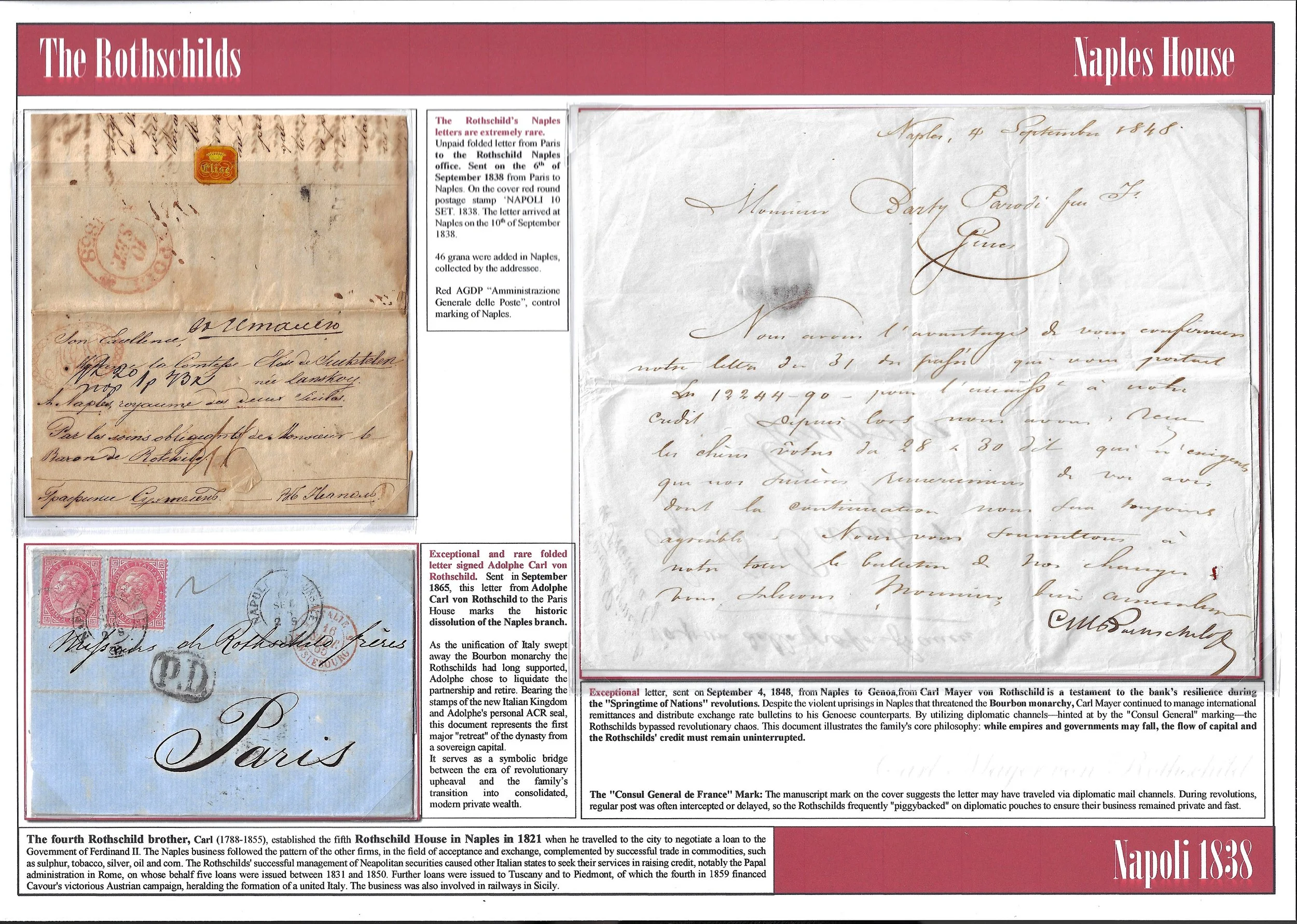
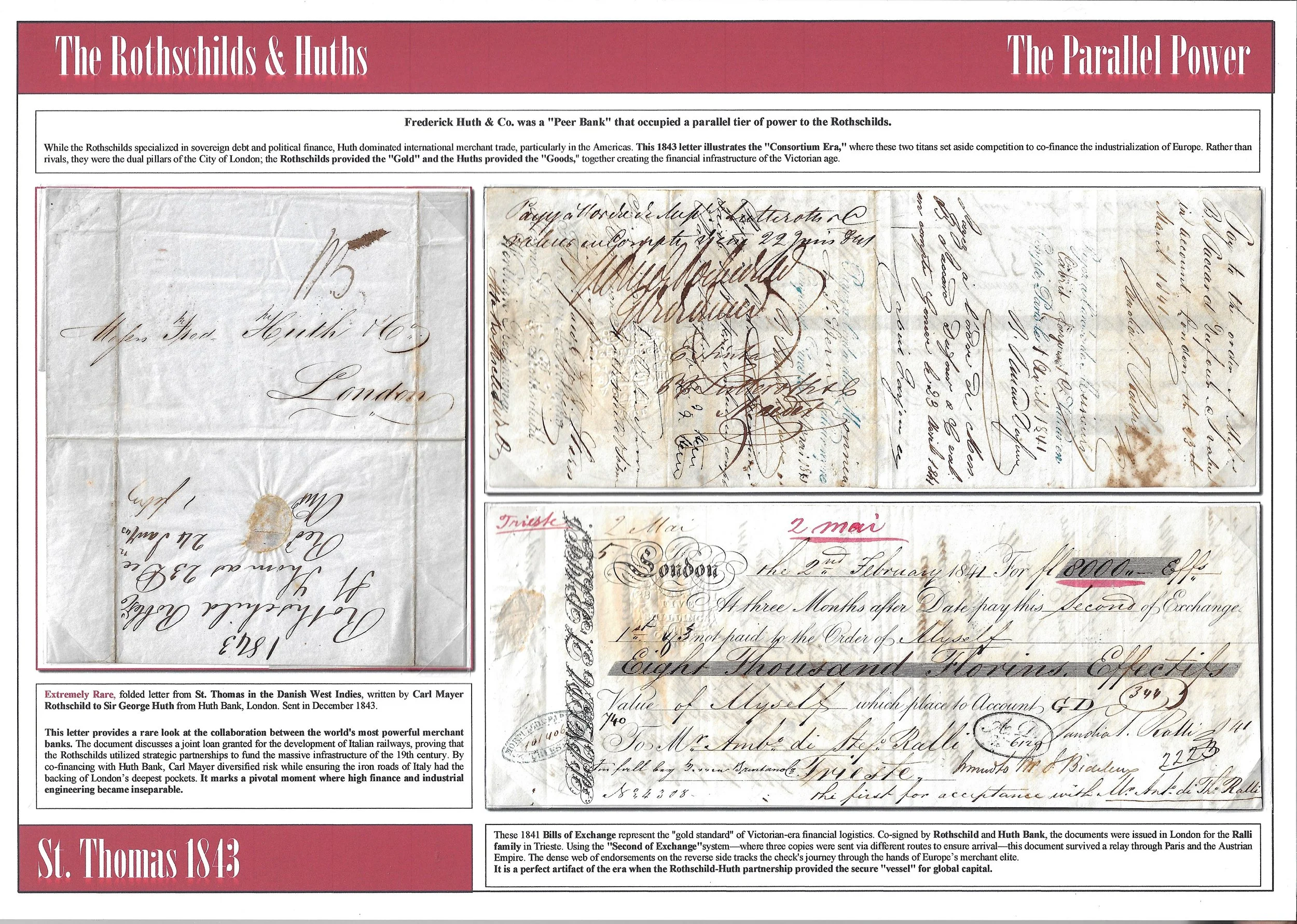
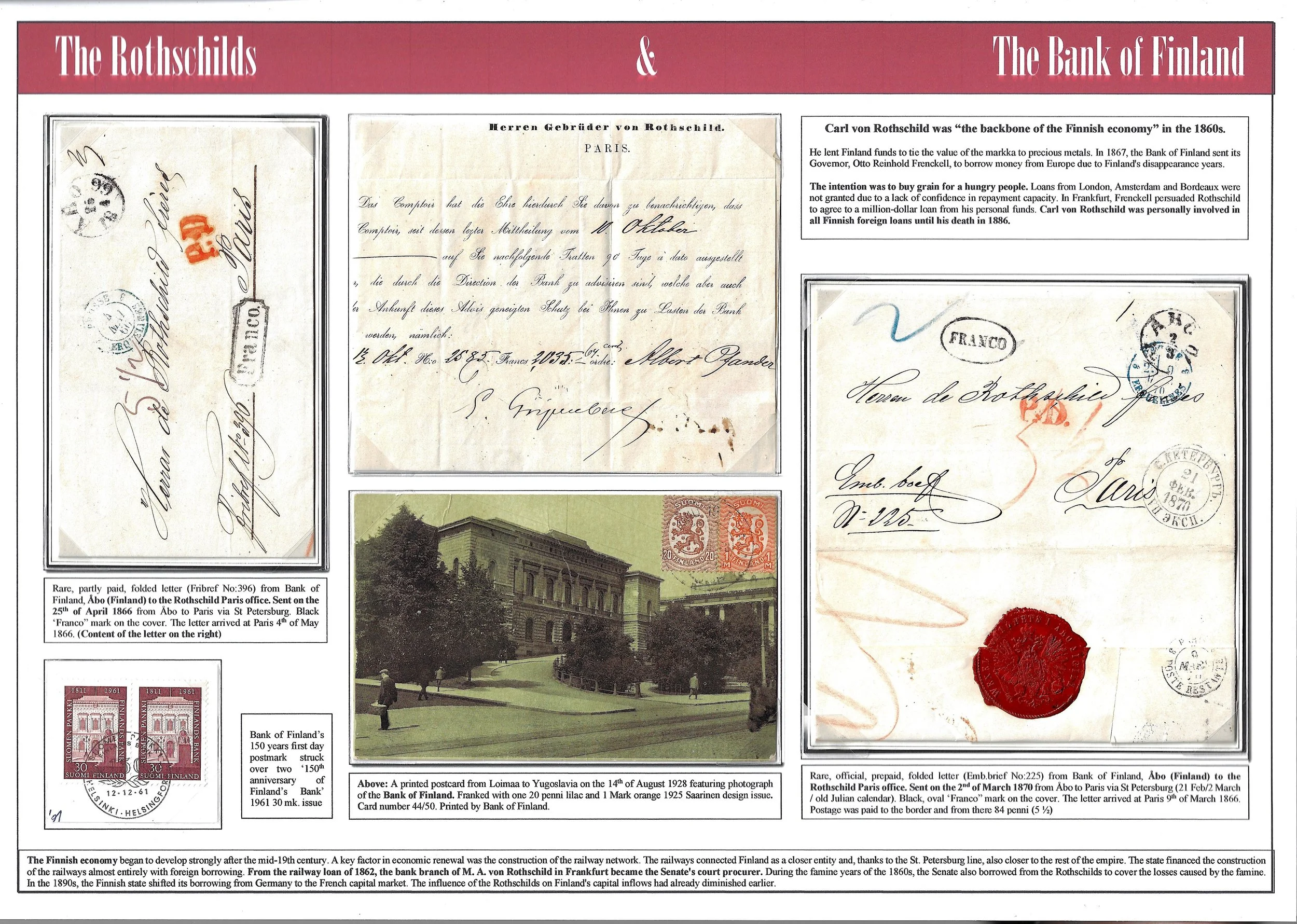
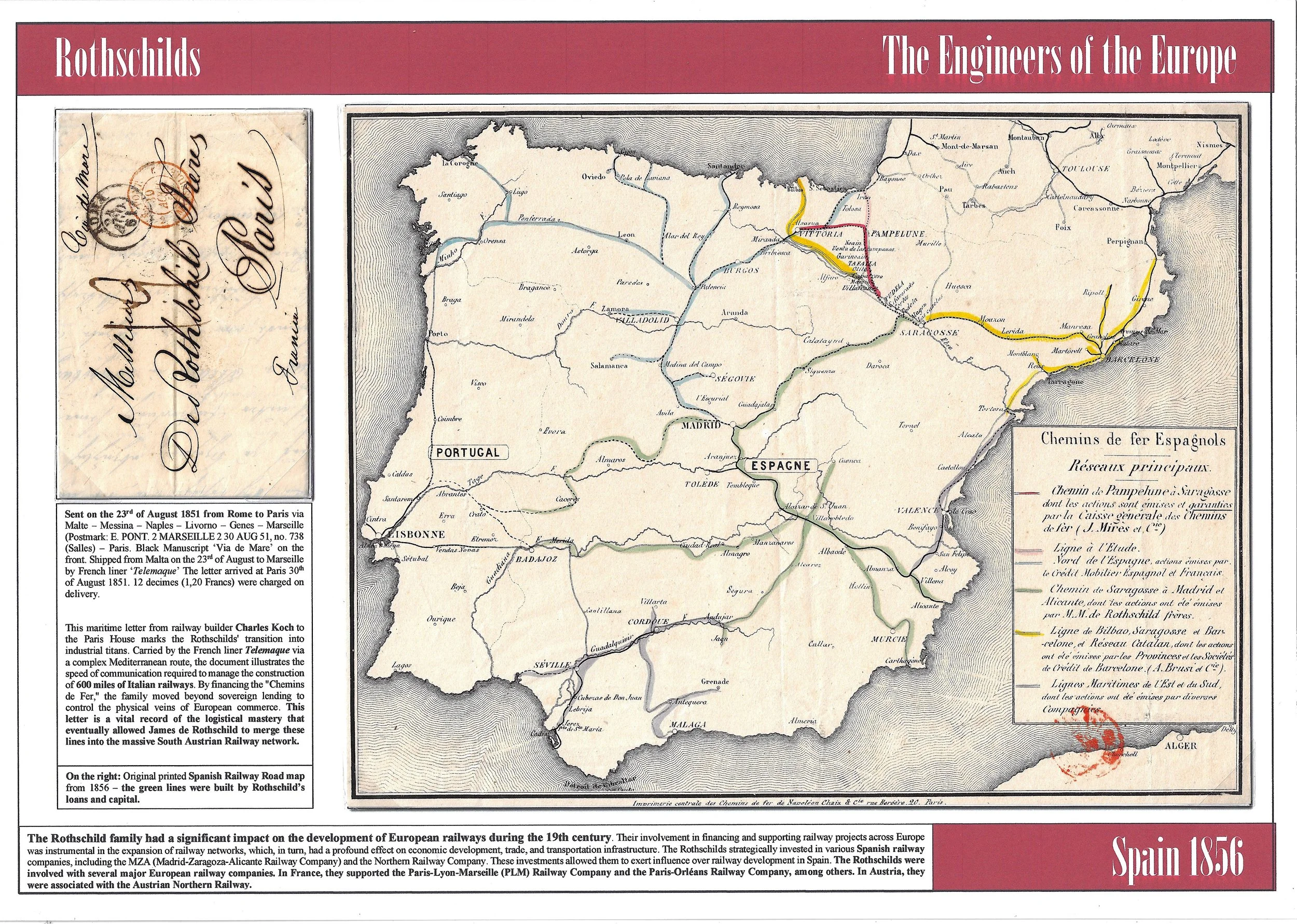
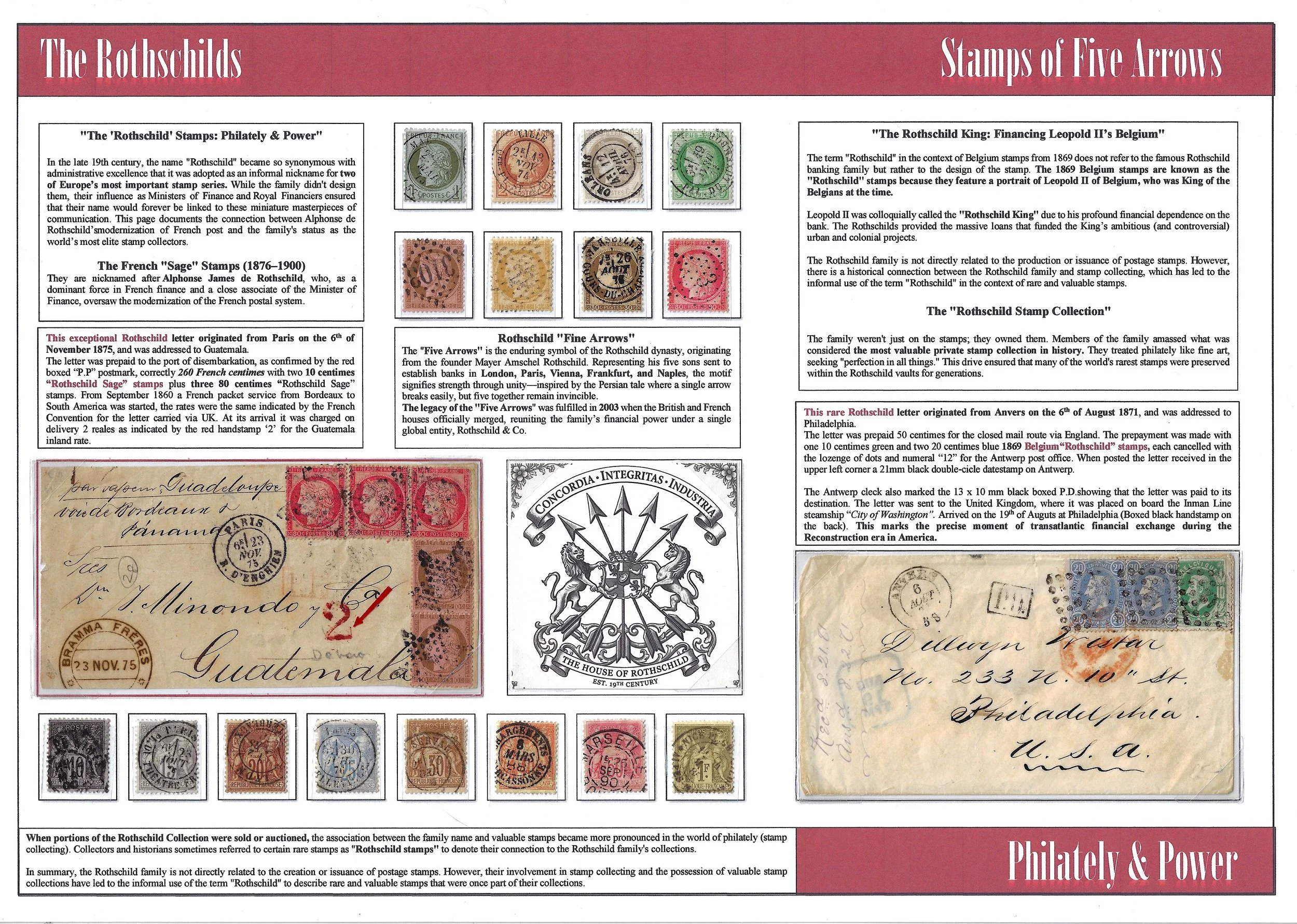
1. Banking Empire: The Rothschild family established a vast banking network across major European capitals, including Frankfurt, London, Paris, Vienna, and Naples. These banking houses became central to the financing of European governments and industries.
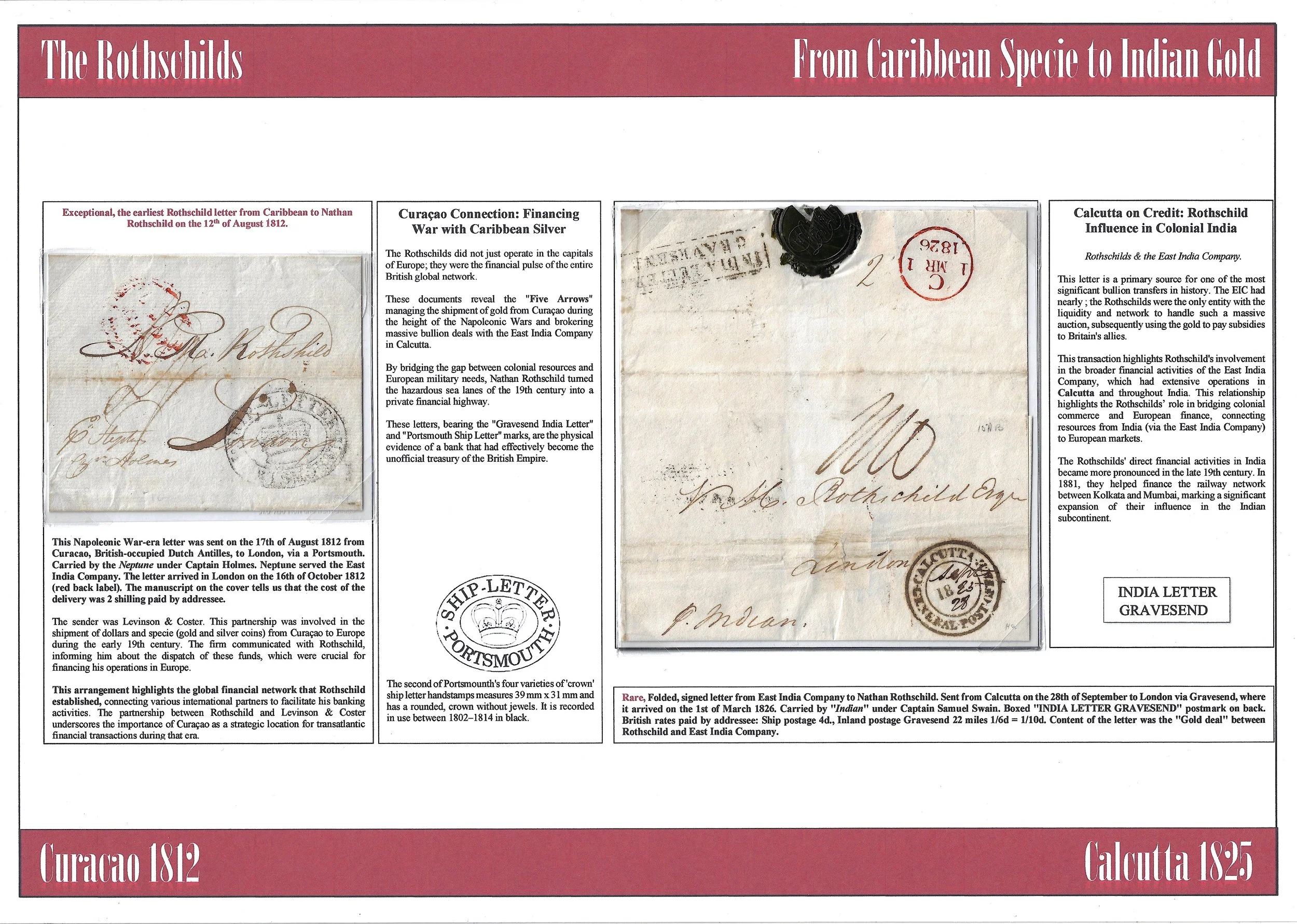
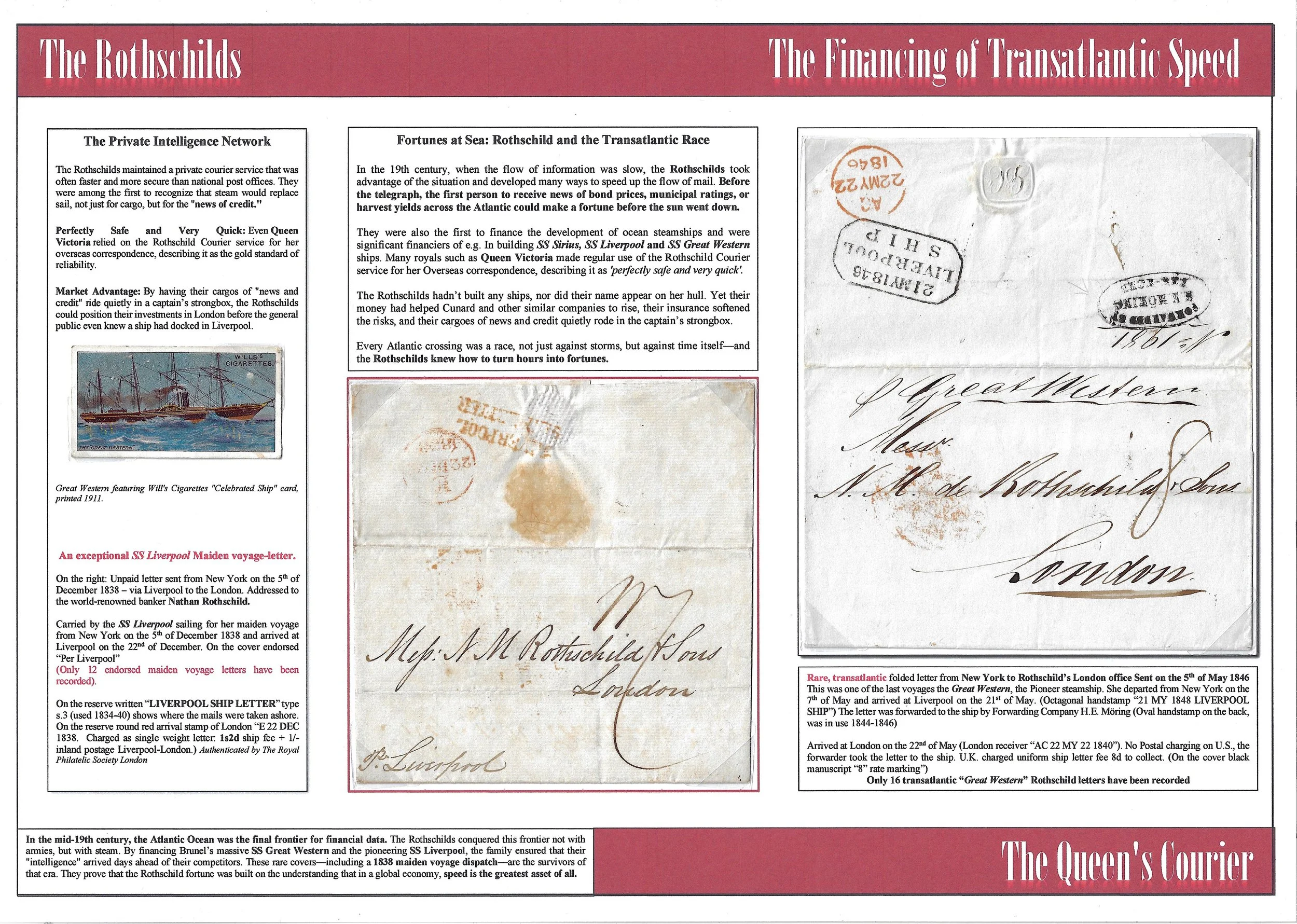
2. International Network: The Rothschilds were known for their ability to maintain close and efficient communication across their various banking houses. This international network allowed them to capitalize on financial opportunities and swiftly respond to economic and political developments.
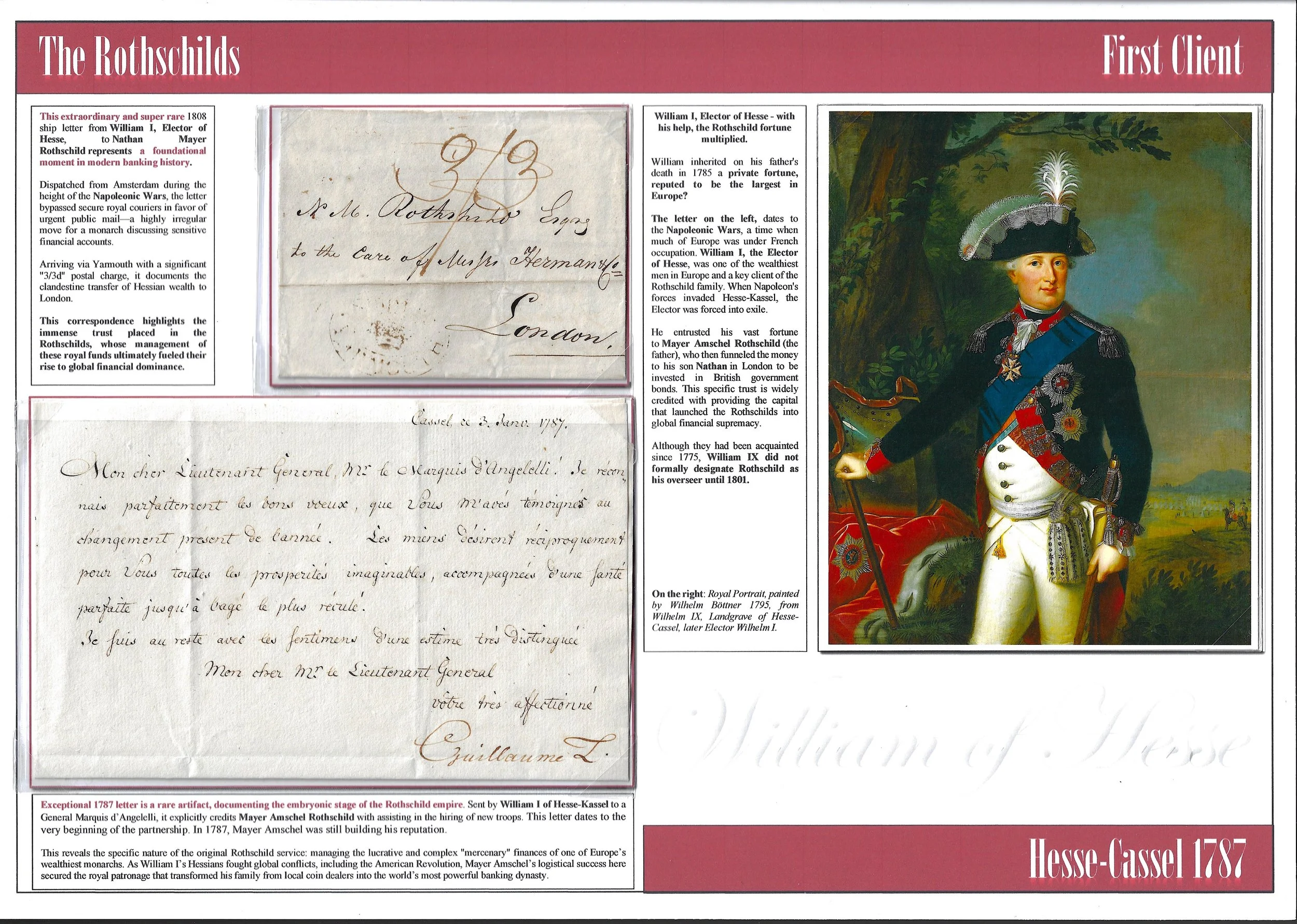
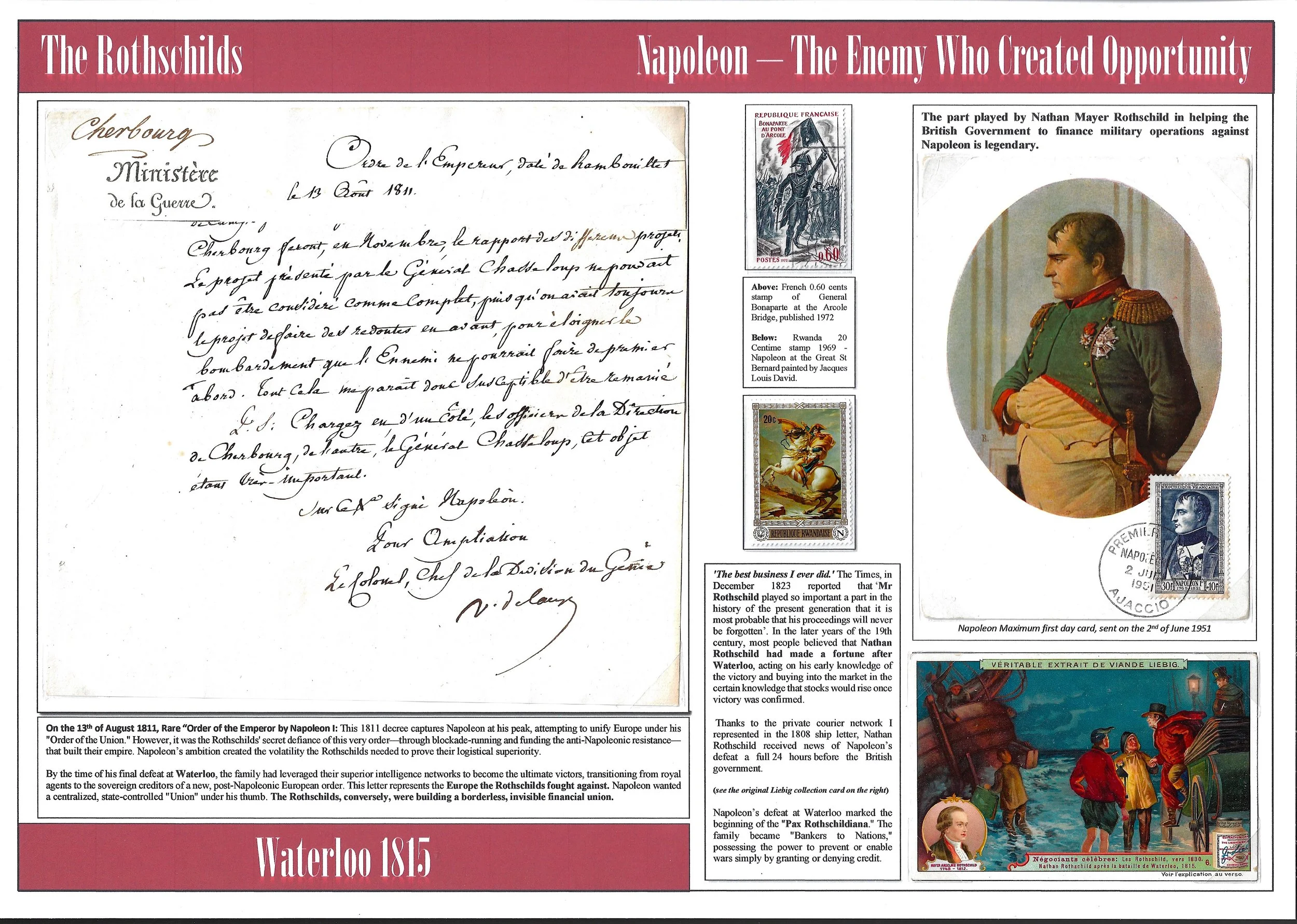
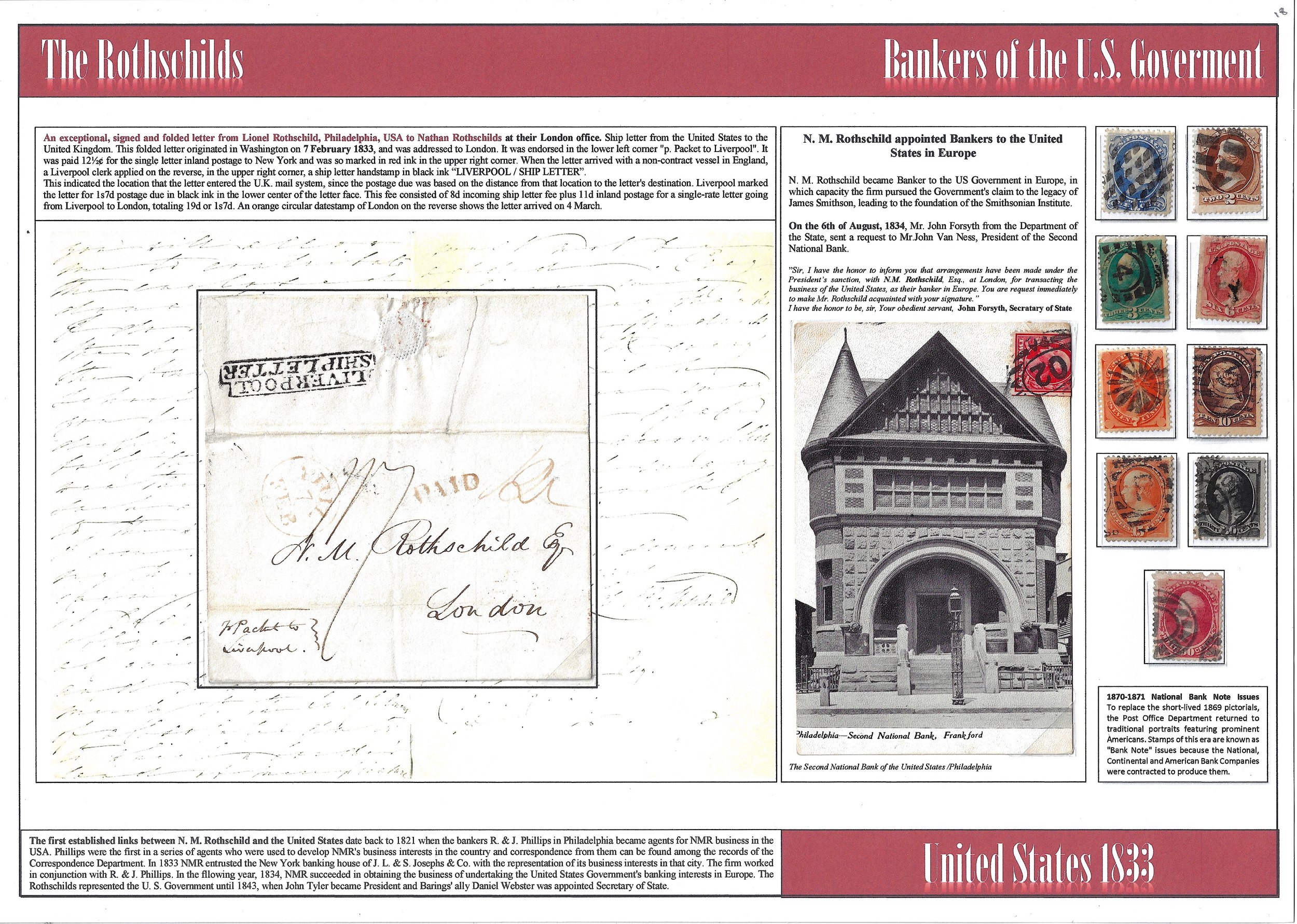
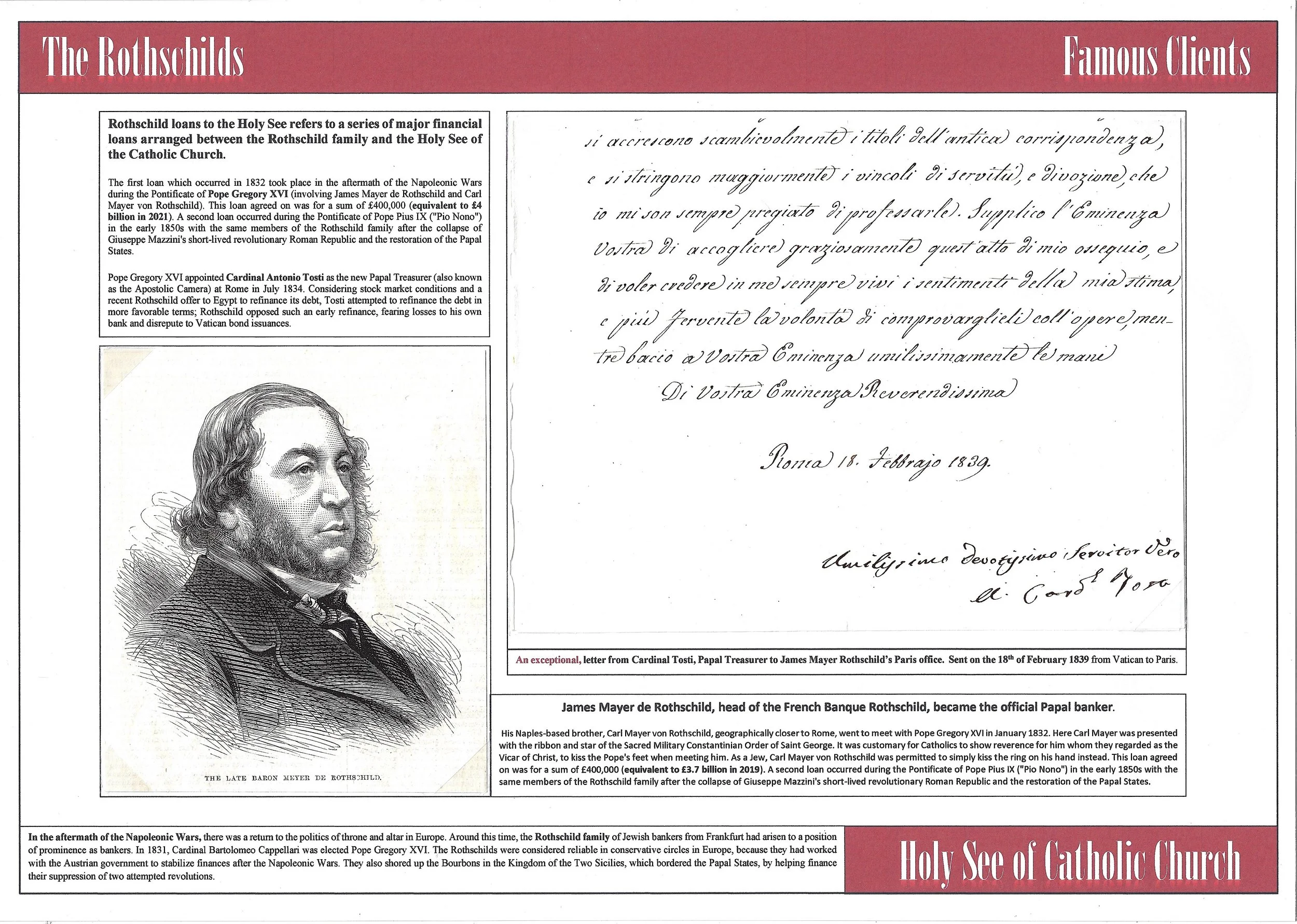
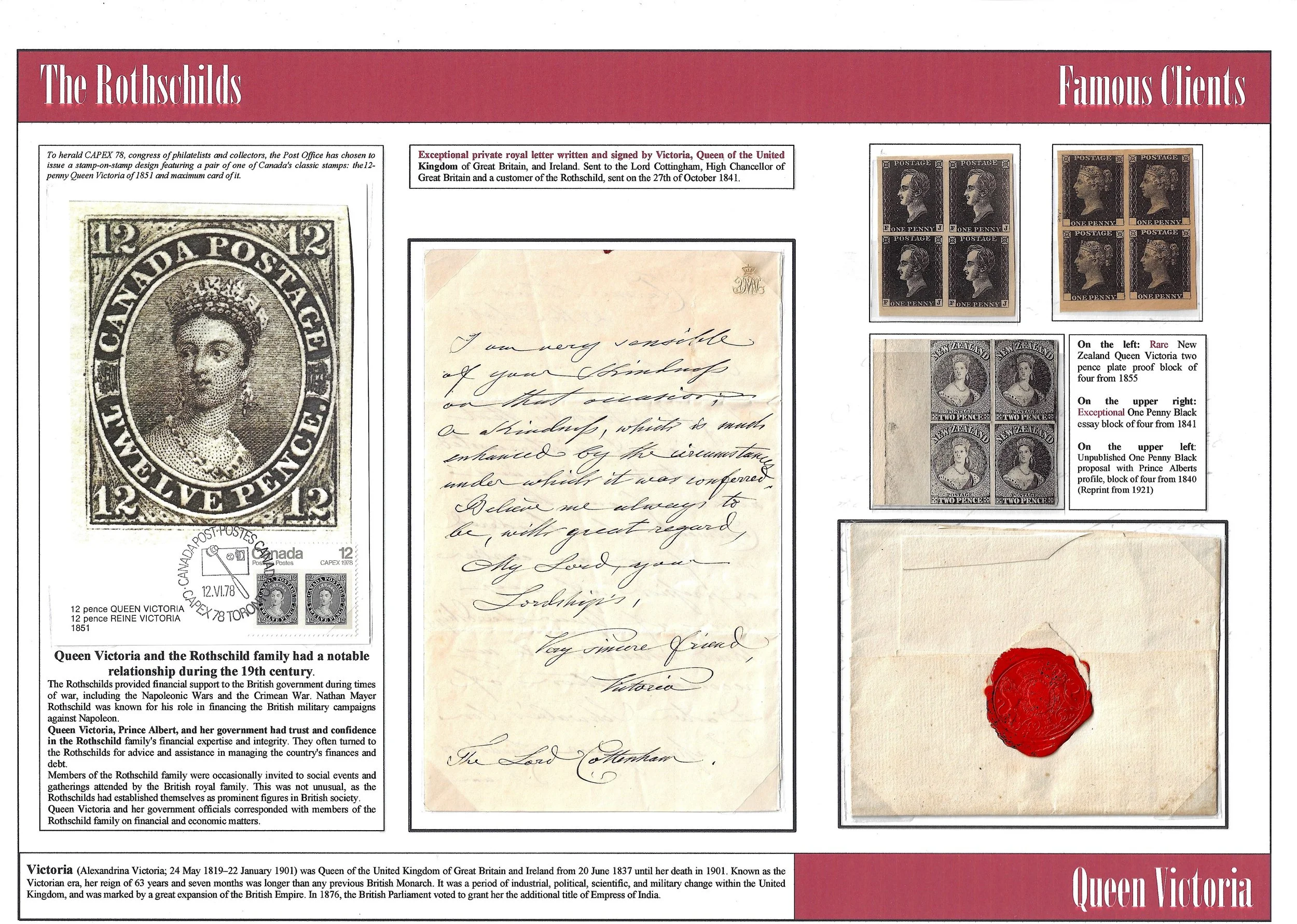
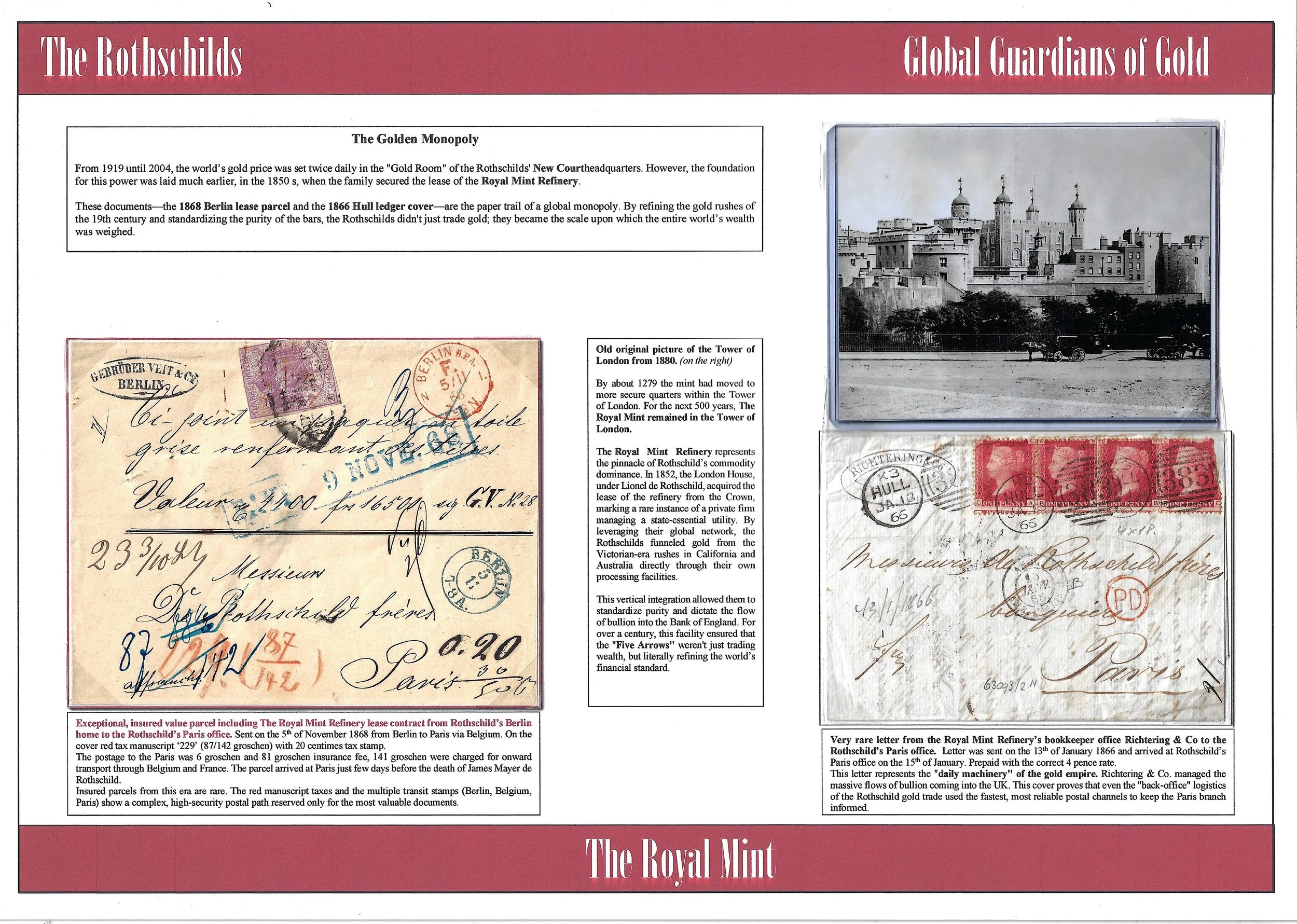
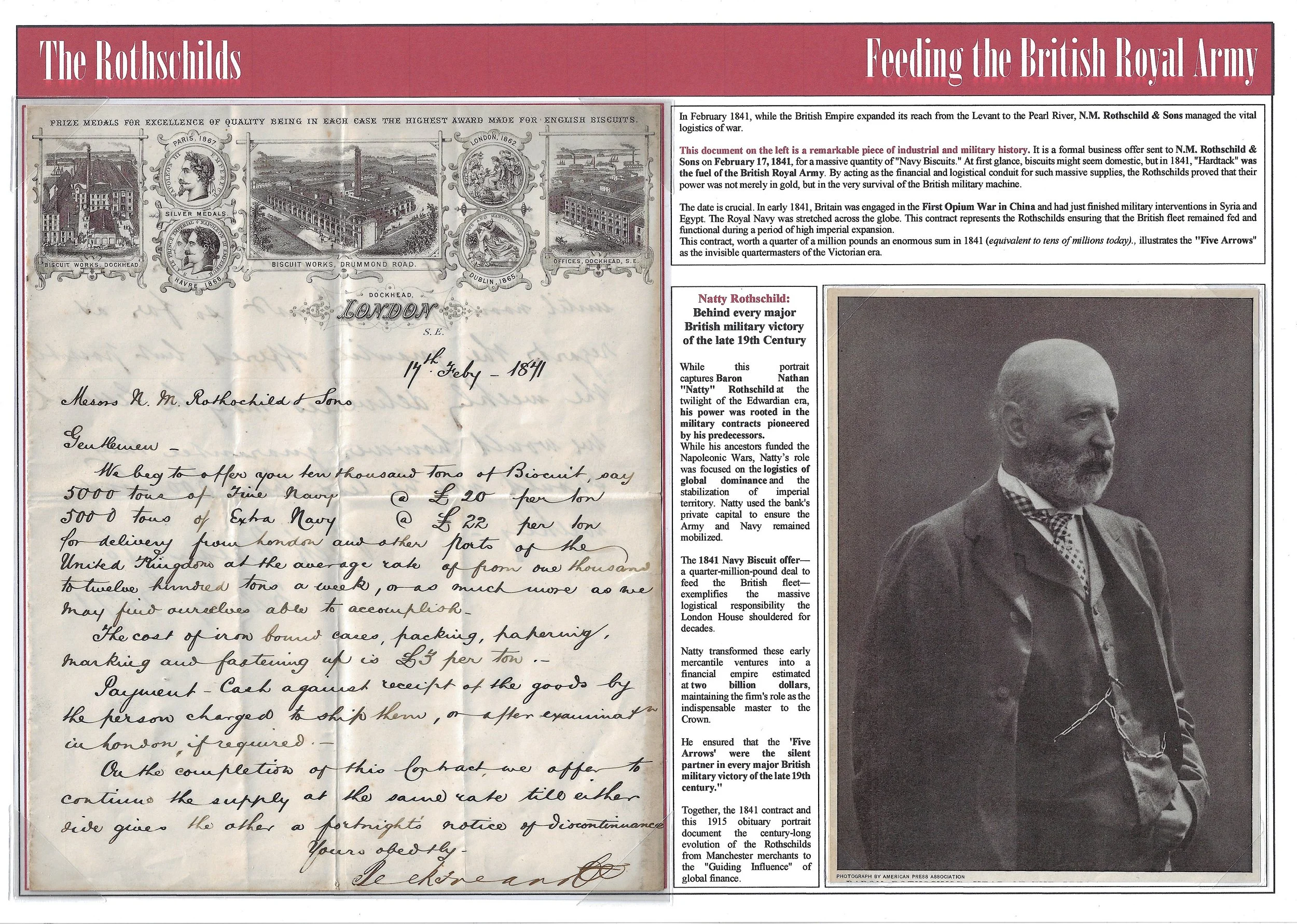
3. Financing Wars: The Rothschilds provided financing to various European governments during times of war, including the Napoleonic Wars and the Crimean War. Their financial support was critical to these nations' war efforts, and in return, they received interest payments and government bonds.
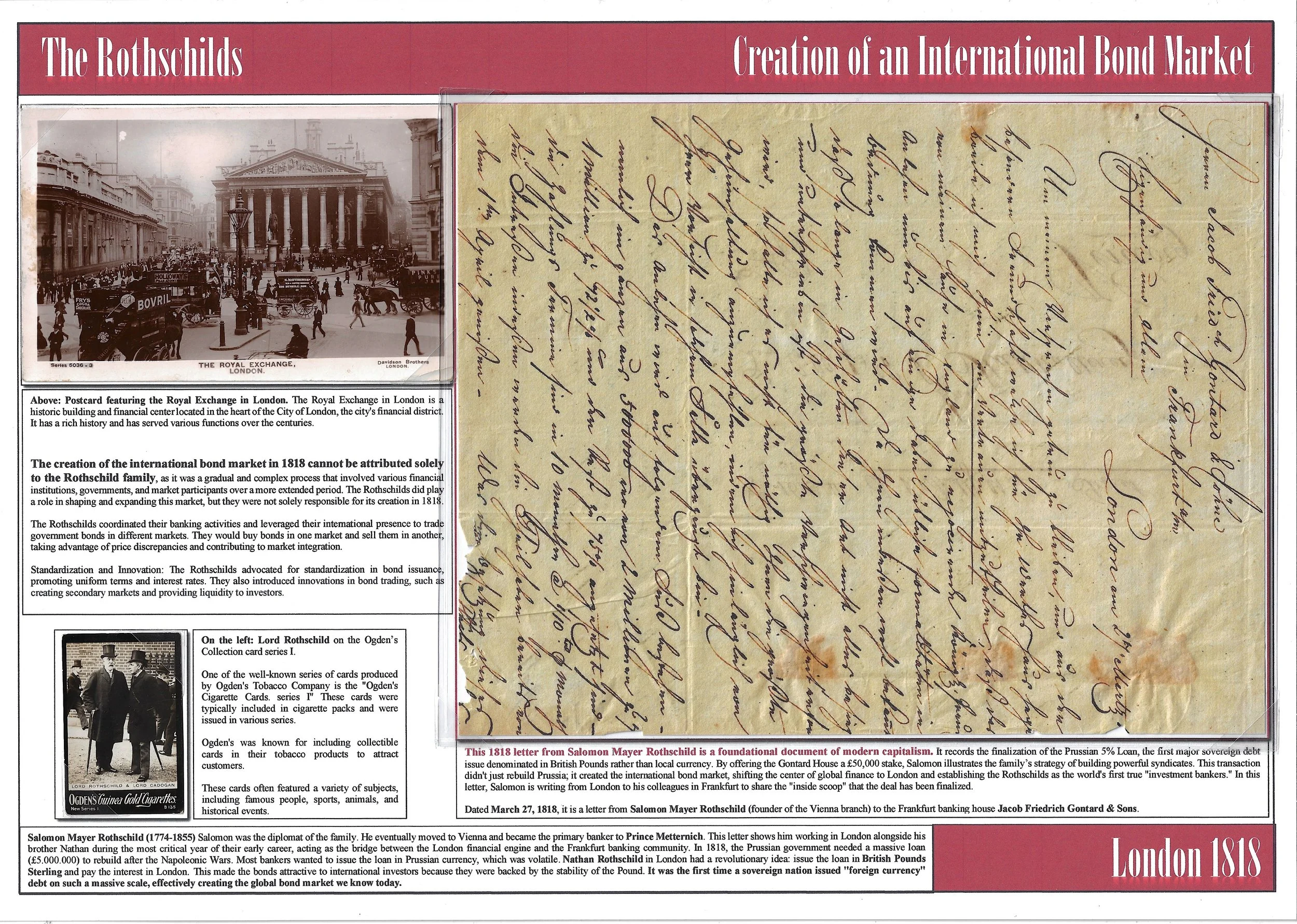
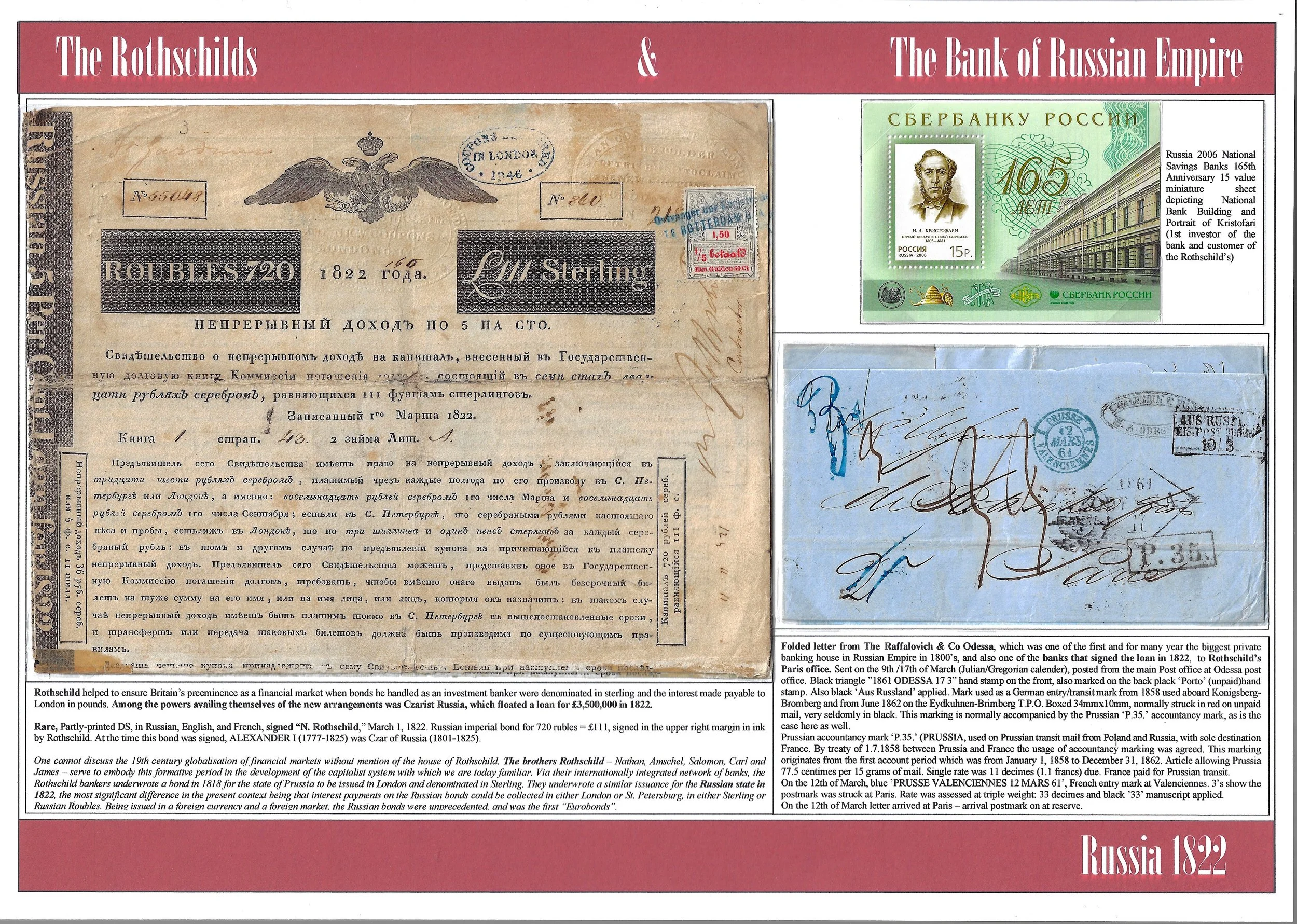
4. Bond Market Innovations: The Rothschild family played a pivotal role in the development of the bond market. They introduced concepts like government bonds, which allowed governments to borrow money from the public. Rothschild bonds, considered safe investments, became highly sought after by investors.
5. Information Advantage: Thanks to their network of agents, the Rothschilds had access to information ahead of other market participants. This allowed them to make informed investment decisions and take advantage of market trends before others were aware of them.
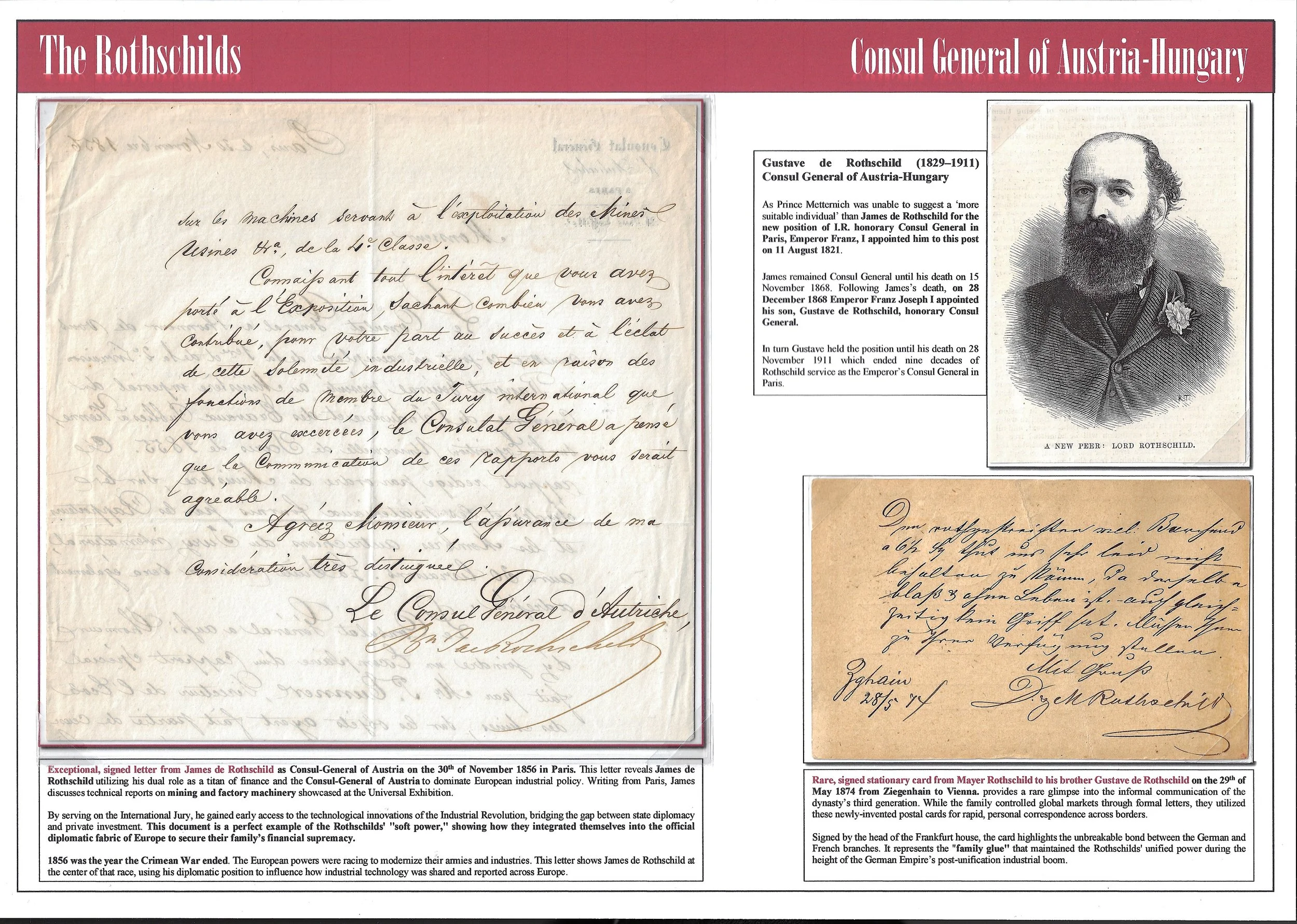
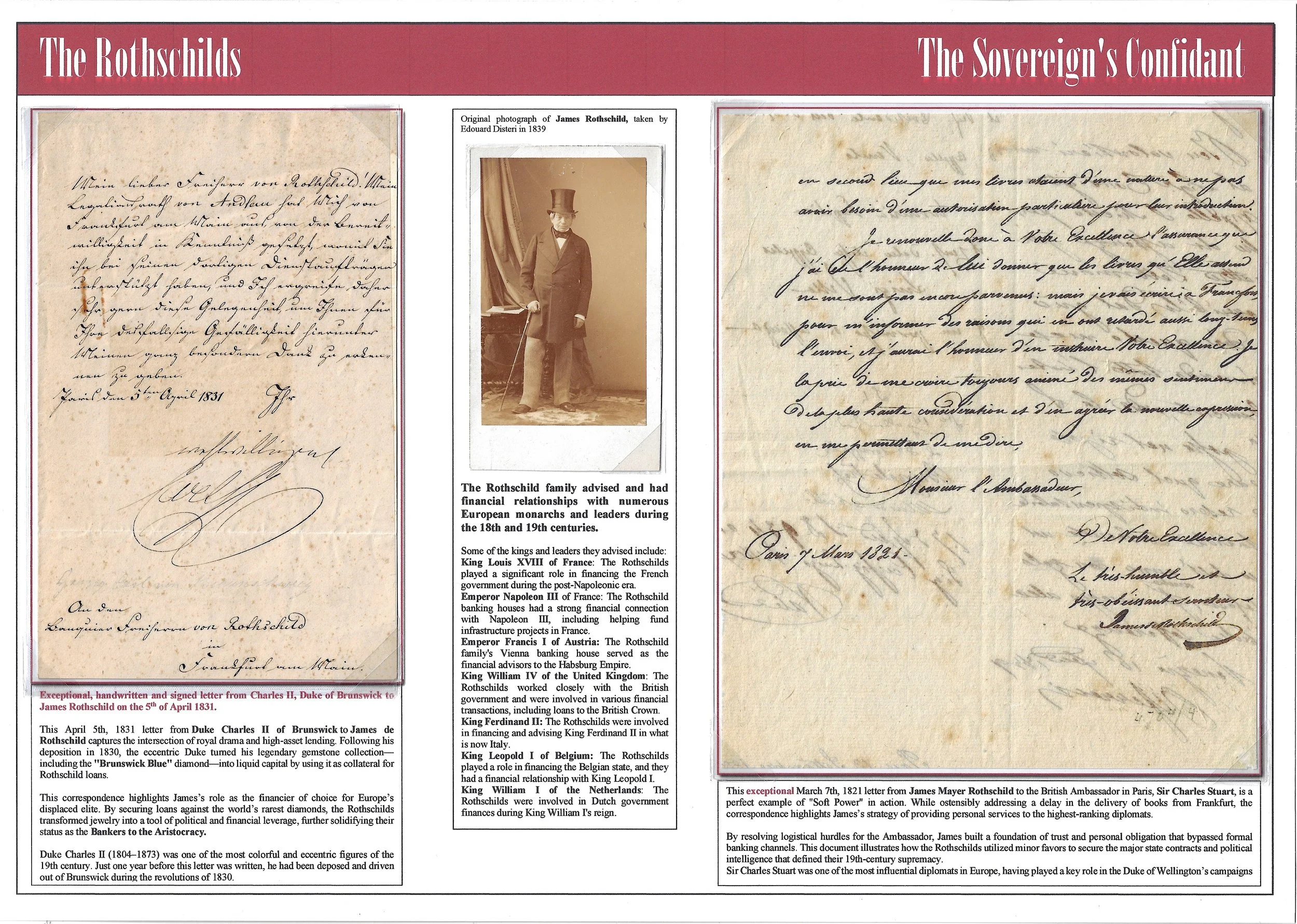
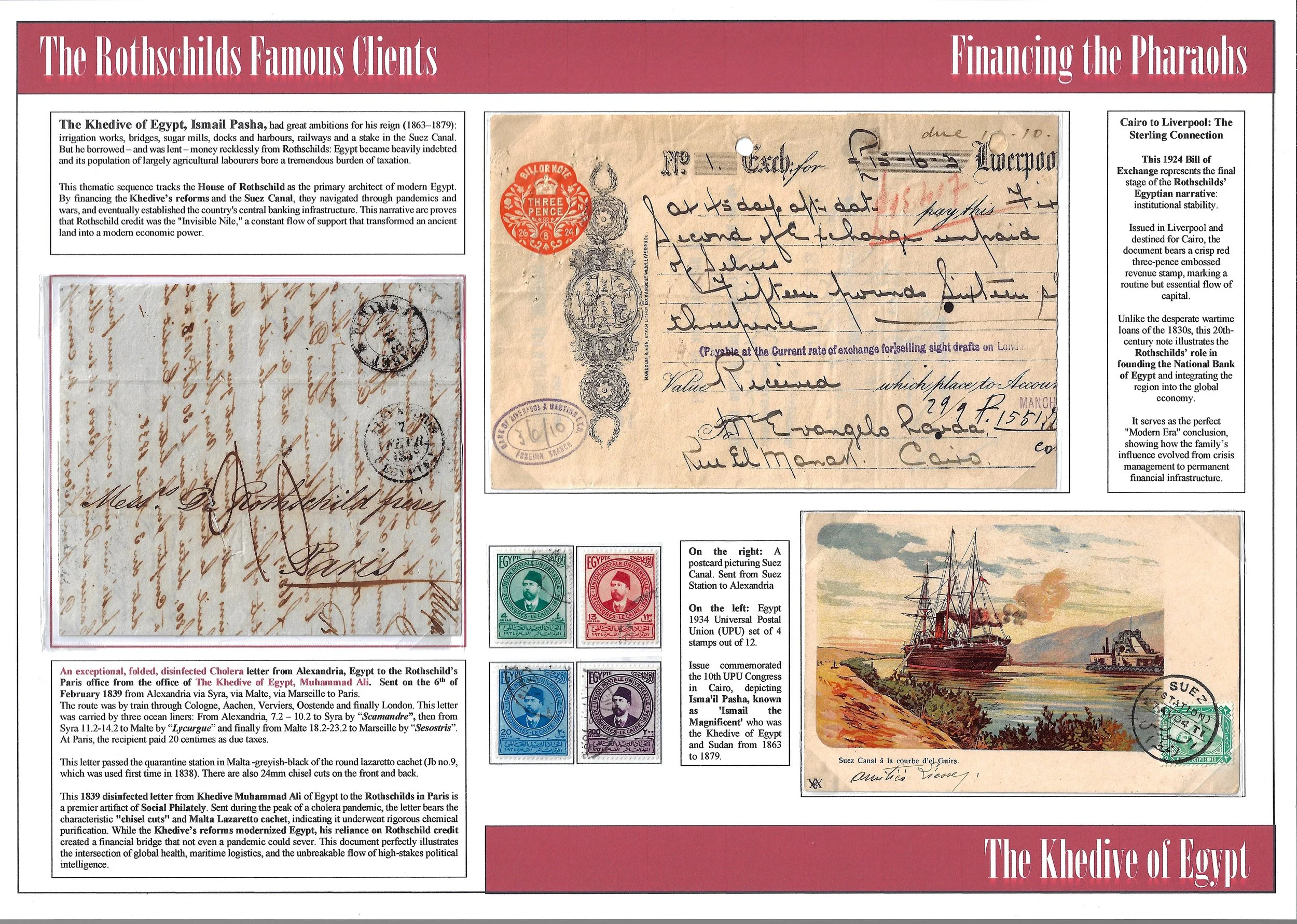
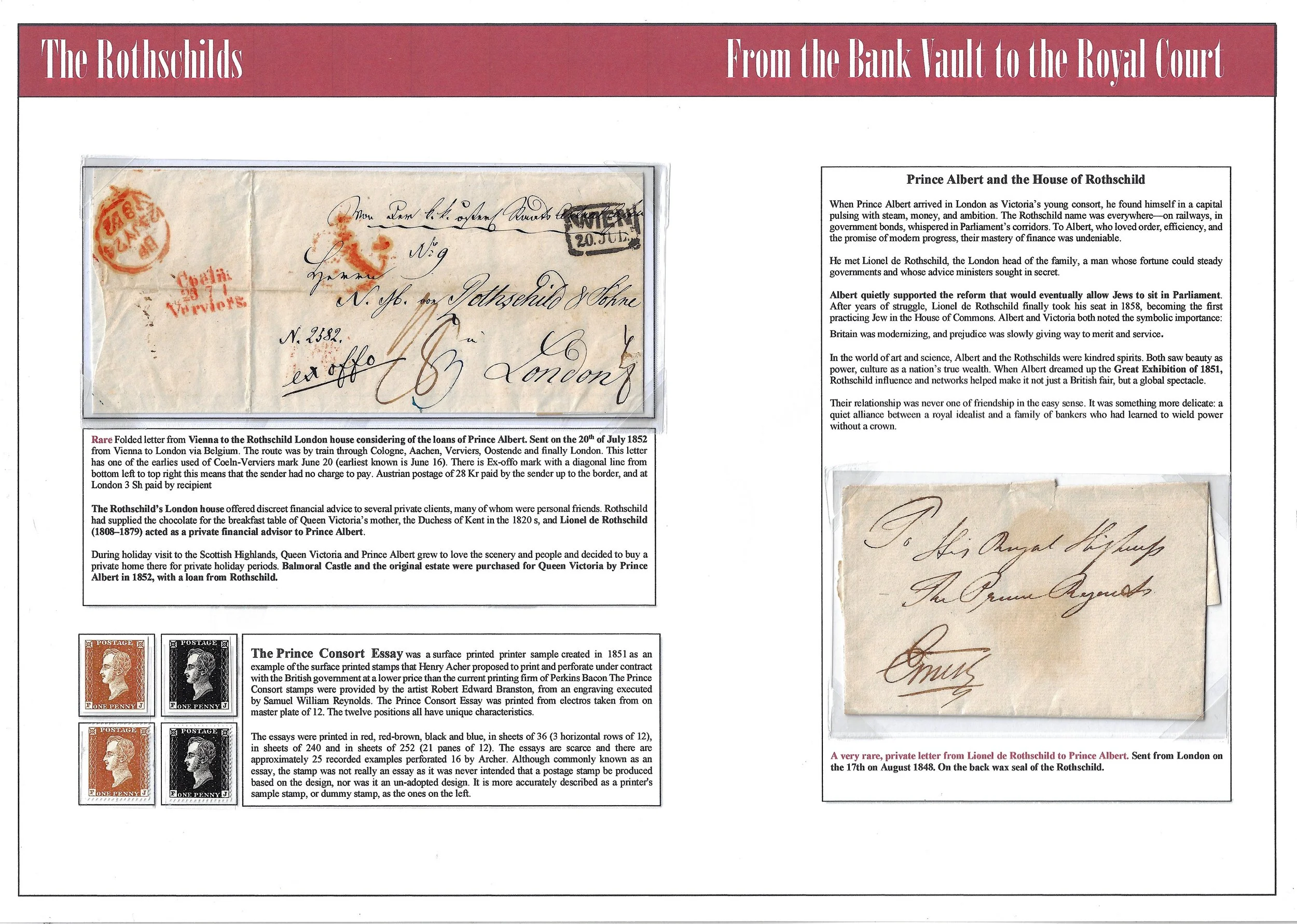
6. Diplomacy and Influence: The Rothschilds were often sought after for financial advice by European monarchs and politicians. Their influence extended into diplomatic circles, where they could offer counsel and sometimes exert indirect political pressure.
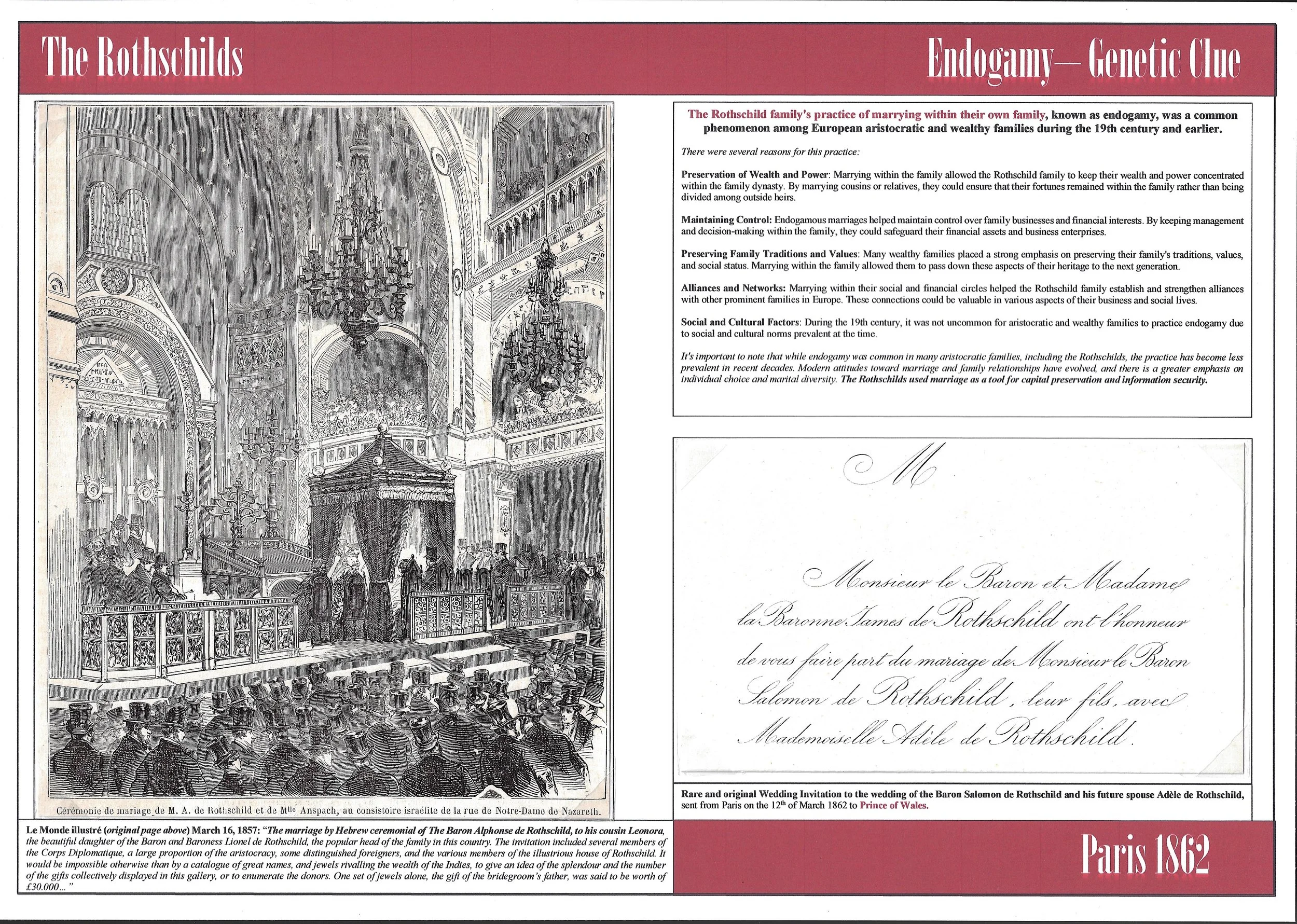
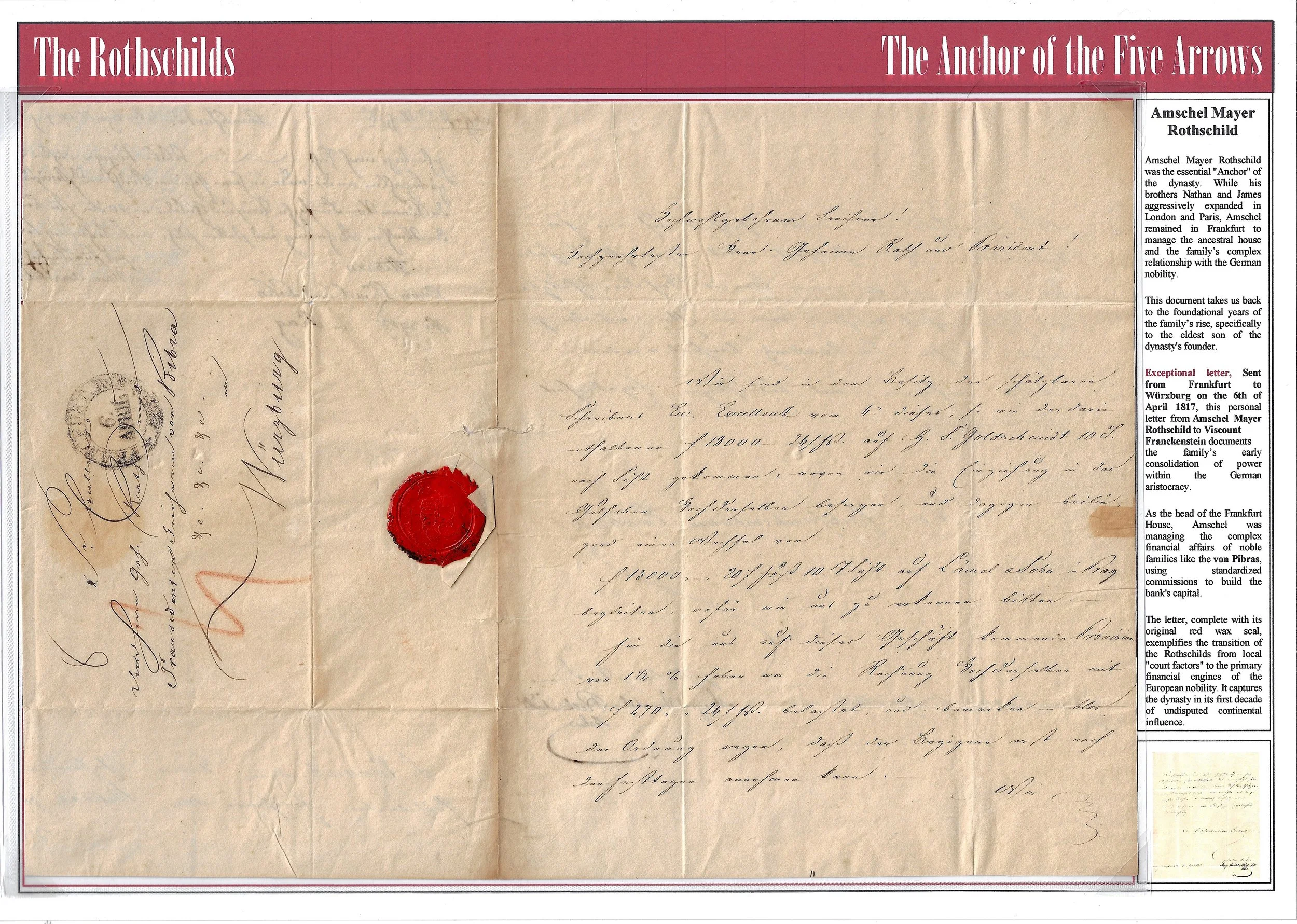
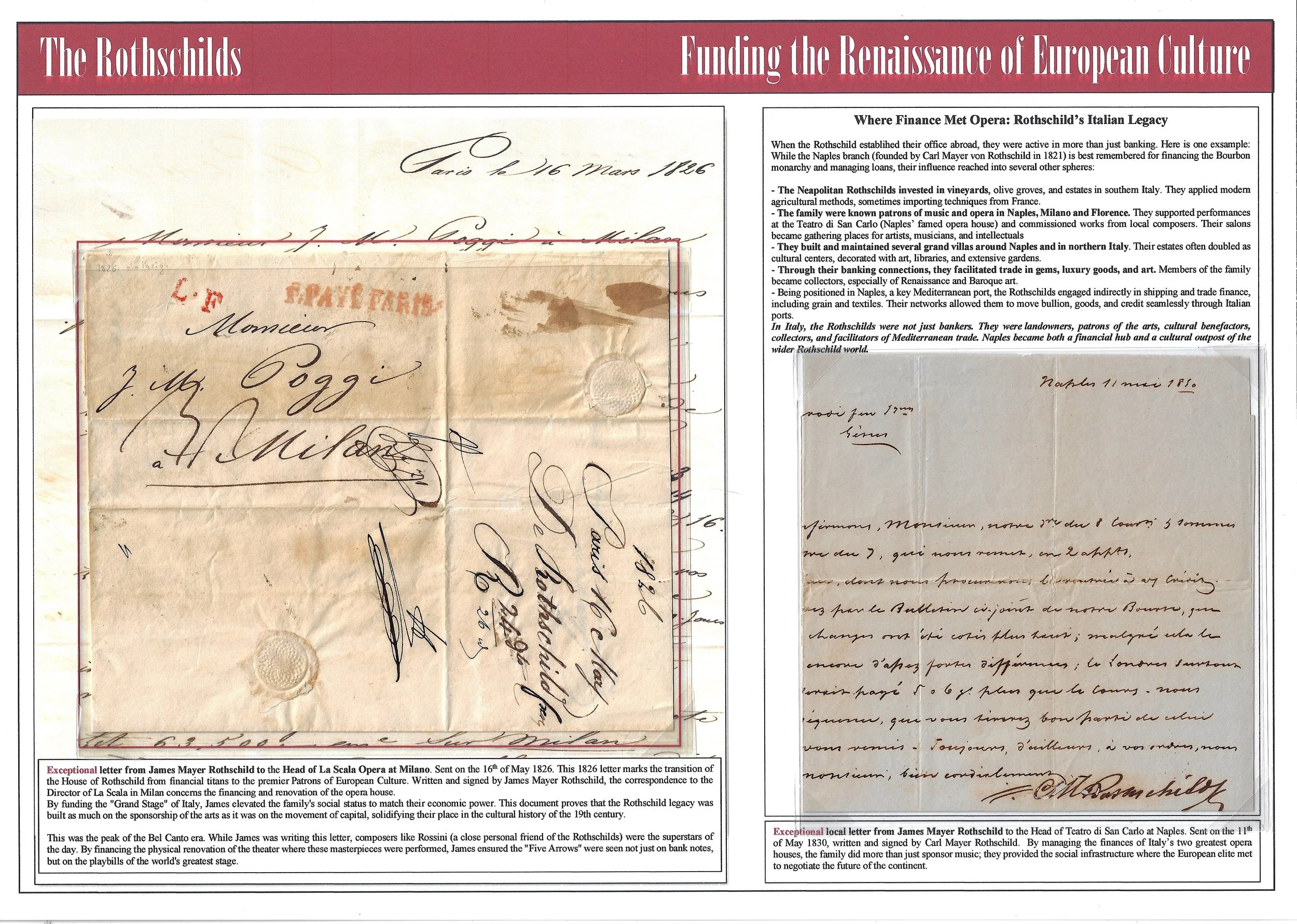
7. Cultural Integration: Unlike some other wealthy families of the time, the Rothschilds actively integrated into the cultures and societies of the countries where they operated. They married into aristocratic families and became part of the social fabric.
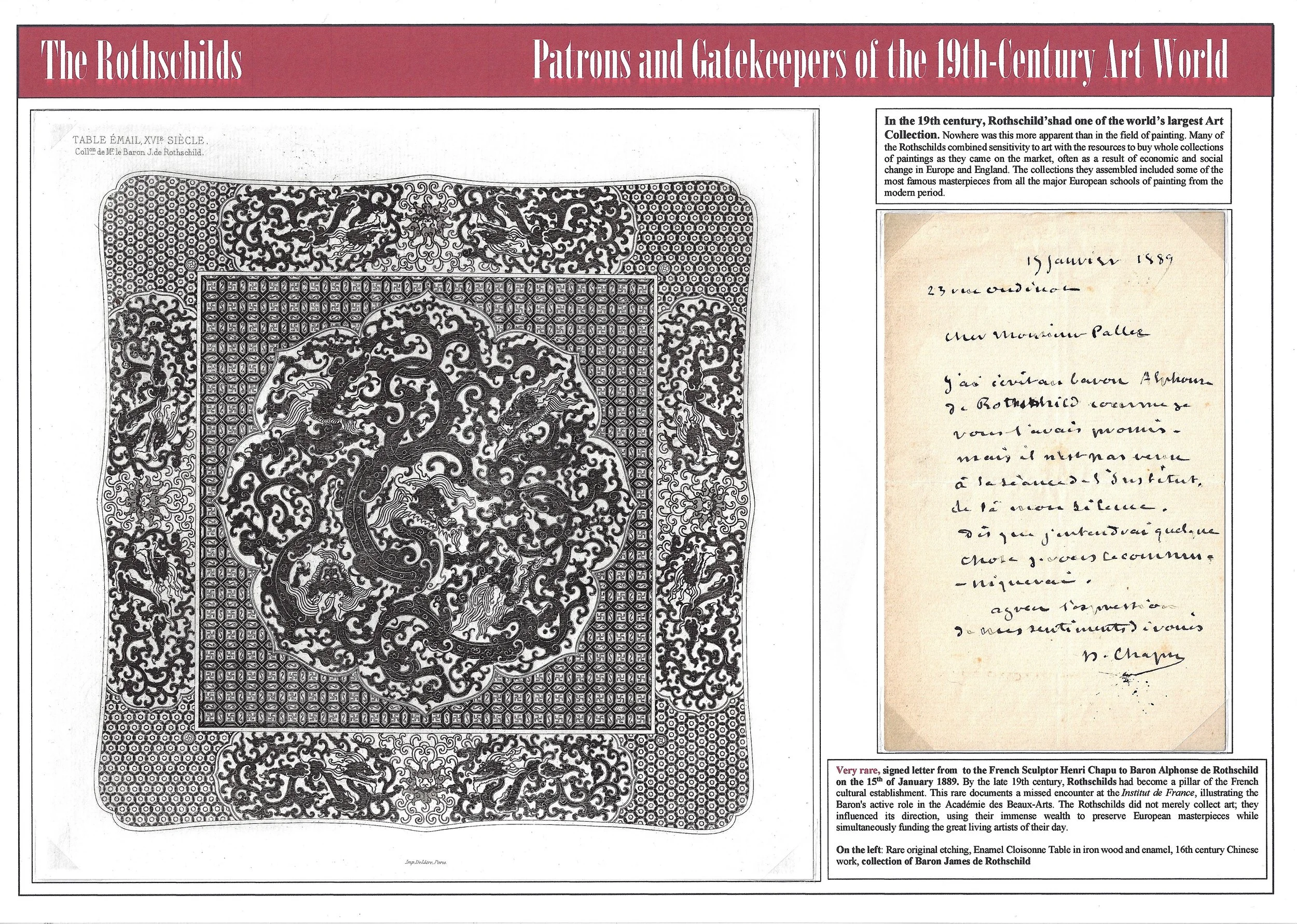
8. Philanthropy and Public Image: The family also engaged in philanthropic endeavors, which helped enhance their public image. They contributed to various charitable causes, including education and the arts.
9. Longevity and Succession Planning: The Rothschild dynasty was known for its meticulous succession planning. Family members were educated and trained to continue the family's financial legacy.
While it is essential to recognize the Rothschilds' significant influence on European finance and politics, it is also important to avoid oversimplifying their role. They were not the sole rulers of Europe but were key players in the financial landscape of the 19th century. Their legacy continues to be a subject of historical interest and study.